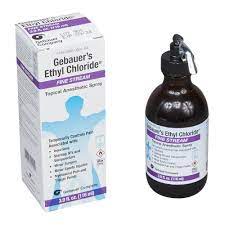
Ethyl chloride topical, also known as chloroethane, is a medication used to numb the skin in preparation for medical procedures such as injections or minor surgeries. It is a local anesthetic that works by temporarily numbing the nerves in the skin, providing relief from pain or discomfort. This article explores the uses, benefits, side effects, and warnings associated with the use of ethyl chloride topical.
Uses
Ethyl chloride topical is primarily used as a local anesthetic to numb the skin before various medical procedures. It is commonly employed in dental procedures, vaccinations, blood tests, and minor surgeries. The quick-acting numbing effect helps alleviate pain and discomfort during these procedures, allowing them to be performed with minimal discomfort for the patient.
Benefits
The main benefit of using ethyl chloride topical is its ability to provide temporary relief from pain and discomfort during medical procedures. By numbing the skin, it reduces the sensation of pain, making the procedure more tolerable for the patient. Moreover, it acts rapidly, providing quick relief and allowing for a smoother and more efficient medical intervention.
Additionally, ethyl chloride topical is non-addictive and does not have any major drug interactions, making it a safe and effective option for local anesthesia. It is also easy to administer, as it is available in spray form and can be applied directly to the skin.
Side Effects
While ethyl chloride topical is generally safe, there are a few potential side effects that may occur. These side effects are usually mild and temporary. Some common side effects include:
- Skin redness or irritation at the application site
- Temporary numbness or tingling
- Burning or stinging sensation
- Swelling or blistering
- Allergic reactions such as rash, itching, or difficulty breathing (rare)
If any of these side effects persist or worsen, it is advisable to seek medical attention.
Warnings
While ethyl chloride topical is generally safe, there are a few precautions and warnings to consider:
- Do not apply ethyl chloride topical to broken or irritated skin, as it may cause further irritation or complications.
- Avoid contact with eyes, mouth, or other sensitive areas, as it may cause irritation.
- Inform your healthcare provider about any allergies or sensitivities you may have before using ethyl chloride topical.
- Do not use ethyl chloride topical if you have a history of a rare genetic disorder called malignant hyperthermia.
- It is important to follow the instructions provided by your healthcare professional regarding the application and dosage of ethyl chloride topical.
If you experience any unusual or severe side effects after using ethyl chloride topical, it is crucial to seek immediate medical attention.
conclusion
In conclusion, ethyl chloride topical is a safe and effective medication used for local anesthesia. It provides temporary relief from pain and discomfort during medical procedures, making them more tolerable for patients. While side effects are generally mild and temporary, it is important to follow the provided instructions and seek medical attention if any unusual or severe reactions occur.
FAQs
Ethyl chloride topical is generally safe for most individuals. However, it is important to inform your healthcare provider about any allergies, medical conditions, or medications you are currently taking to ensure its suitability for use.
While ethyl chloride topical can be used on the face, it is essential to avoid contact with the eyes, mouth, or other sensitive areas. Care should be taken when applying it to ensure it is only used on the intended area.
The numbing effect of ethyl chloride topical typically lasts for a few minutes, providing temporary relief during medical procedures. The duration may vary depending on the individual and the specific procedure.
It is generally safe to apply other medications or creams after using ethyl chloride topical. However, it is advisable to consult your healthcare provider for specific instructions or potential interactions.
No, ethyl chloride topical is not addictive. It is a local anesthetic that does not contain any addictive substances.