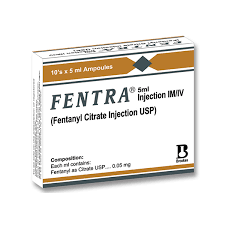
Fentanyl is a potent synthetic opioid drug that is prescribed for the treatment of severe pain. It is often used when other pain medications are ineffective in managing pain or when immediate pain relief is required. However, it is essential to be aware of the possible benefits, side effects, and warnings associated with this medication before using it.
Uses
The primary use of fentanyl is to alleviate severe pain, especially after surgery or in cancer patients. This medication is also utilized in anesthesia to induce and maintain anesthesia during surgery. Additionally, fentanyl may be administered as a transdermal patch that slowly releases the drug over time, providing extended pain relief for chronic conditions such as cancer or debilitating diseases.
Benefits
The main benefit of fentanyl is its effectiveness in managing severe pain. As a potent opioid, it can offer significant relief to individuals experiencing debilitating pain that cannot be adequately controlled with other milder pain medications. Fentanyl works by binding to opioid receptors in the brain, reducing the perception of pain and promoting comfort.
Its fast-acting nature makes it particularly useful in emergency situations where immediate pain relief is necessary. Moreover, the transdermal patch formulation provides a convenient and consistent pain control solution for chronic pain sufferers who require around-the-clock relief.
Side Effects
While fentanyl can be highly effective in pain management, it is critical to be aware of potential side effects that may arise. Common side effects include drowsiness, constipation, nausea, vomiting, and stomach pain. Some individuals may also experience confusion, dizziness, or difficulty breathing.
Notably, misuse or abuse of fentanyl and other opioids can lead to severe side effects, including addiction, respiratory depression, and overdose. These risks are heightened when fentanyl is used recreationally or in higher doses than prescribed, or when combined with other substances such as alcohol or benzodiazepines.
Warnings
Before using fentanyl, it is crucial to discuss any preexisting medical conditions or medications with your healthcare provider. Certain conditions, such as respiratory disorders, may increase the risk of serious side effects or complications. Similarly, using fentanyl alongside other medications can potentially cause drug interactions, leading to harmful effects.
Fentanyl is highly potent and can cause respiratory depression, even at recommended doses. Therefore, it should only be used under the supervision of a healthcare professional who can monitor your response and adjust the dosage accordingly. It is essential to follow the prescribed instructions carefully to prevent potential adverse effects.
Furthermore, fentanyl patches should not be exposed to excessive heat, such as heating pads or hot tubs, as it can accelerate drug release and increase the risk of overdose. It is crucial to keep fentanyl patches out of reach of children and dispose of them properly to prevent accidental poisoning.
FAQs
Yes, fentanyl can be highly addictive, especially when misused or used for recreational purposes. It is crucial to use fentanyl strictly as prescribed by a healthcare professional.
The duration of fentanyl in the body can vary depending on multiple factors, including the individual’s metabolism and the dosage. On average, fentanyl can be detectable in urine for up to 48-72 hours and in blood for approximately 12 hours.
It is generally advised to avoid using fentanyl during pregnancy unless the potential benefits outweigh the risks. It is important to consult with a healthcare provider for personalized advice.
Fentanyl is primarily indicated for use in adults. However, it may be prescribed to children under specific circumstances, considering the child’s condition, medical history, and potential risks.
Fentanyl is a powerful opioid primarily used for severe pain relief, and its use for non-severe pain is quite rare. There are generally safer and more appropriate pain management options for mild to moderate pain.
In conclusion, fentanyl is a potent medication used for severe pain relief, with benefits including fast-acting relief and prolonged pain control for chronic conditions. However, it is essential to be aware of potential side effects and warnings associated with fentanyl, as well as to use it strictly as prescribed. By following proper medical guidance and precautions, the effective use of fentanyl can significantly enhance quality of life for individuals suffering from intense pain.