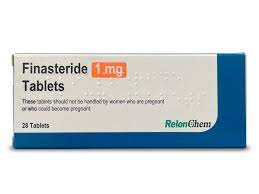
Uses
Finasteride is a medication primarily used to treat an enlarged prostate, a condition known as benign prostatic hyperplasia (BPH).
It helps to relieve symptoms such as frequent urination, difficulty starting or maintaining urination, and weak urine flow.
Additionally, it is prescribed to treat male pattern baldness (androgenetic alopecia) in men.
Benefits
By blocking the conversion of testosterone to dihydrotestosterone (DHT), finasteride reduces the size of the prostate gland,
improves urinary flow, and alleviates the symptoms associated with an enlarged prostate.
For male pattern baldness, it can help slow down hair loss and promote hair regrowth.
Side Effects
Like any medication, finasteride may cause side effects in some individuals. Common side effects may include:
- Impotence
- Decreased libido
- Erectile dysfunction
- Decreased semen volume
- Gynecomastia (enlargement of breast tissue in men)
It’s important to note that these side effects are rare and typically resolve once the medication is discontinued.
However, if any of these side effects persist or worsen, it is advisable to seek medical attention.
Warnings
While finasteride is generally well-tolerated, there are a few important warnings and precautions to consider:
- Women who are pregnant or may become pregnant should avoid handling crushed or broken finasteride tablets, as it can be absorbed through the skin and may cause harm to the fetus.
- Finasteride may increase the risk of high-grade prostate cancer.
- Men with liver disease should use caution and consult their healthcare provider before starting finasteride.
- Before using finasteride, inform your doctor about any other medications, including herbal supplements, you are currently taking to avoid potential drug interactions.
It’s crucial to follow your healthcare provider’s instructions carefully and to report any unusual symptoms or concerns while taking finasteride.
FAQs
Finasteride is not intended for use in women and is contraindicated in women who are pregnant or may become pregnant.
Finasteride can help slow down hair loss and stimulate hair regrowth in men with male pattern baldness, but it does not provide a permanent cure.
The effects of finasteride on hair growth may be visible within a few months of consistent use.
It is important to consult your healthcare provider before discontinuing finasteride, as stopping the medication may lead to a return of symptoms.
It is essential to inform your healthcare provider about all medications and supplements you are taking to prevent potential drug interactions.