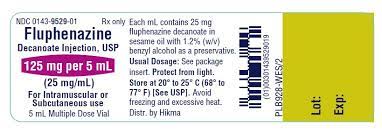
Fluphenazine decanoate injection is a medication that belongs to the class of drugs known as antipsychotics. It is primarily used to treat certain mental/mood disorders such as schizophrenia. Fluphenazine decanoate is administered by injection into a muscle by a healthcare professional. This article provides an overview of the uses, benefits, side effects, and warnings associated with fluphenazine decanoate injection.
Uses
Fluphenazine decanoate injection is primarily used to treat symptoms associated with schizophrenia, a chronic and severe mental disorder that affects how a person thinks, feels, and behaves. It helps to reduce hallucinations, delusions, disorganized thinking, and emotional withdrawal often experienced by individuals with schizophrenia.
Additionally, fluphenazine decanoate injection may be used to manage certain behavioral problems in patients with Tourette’s syndrome, a neurological disorder characterized by repetitive and involuntary movements and vocalizations known as tics.
Benefits
The main benefit of fluphenazine decanoate injection is its ability to help control and manage symptoms associated with schizophrenia and Tourette’s syndrome. By reducing hallucinations, delusions, and disorganized thinking, it can help patients regain a sense of normalcy in their lives and improve their overall quality of life.
Furthermore, fluphenazine decanoate injection offers the advantage of long-acting effects. Unlike oral medications that need to be taken daily, a single injection of fluphenazine decanoate can provide therapeutic levels of the medication for several weeks. This can enhance treatment adherence and prevent relapse of symptoms in individuals who may have difficulty adhering to a daily medication regimen.
Side Effects
Like any medication, fluphenazine decanoate injection may cause certain side effects. Common side effects include drowsiness, dizziness, blurred vision, dry mouth, constipation, and weight gain. These side effects are generally mild and may subside as the body adjusts to the medication.
However, some individuals may experience more severe side effects, such as muscle stiffness, tremors, restlessness, agitation, and difficulty speaking or swallowing. These side effects should be immediately reported to a healthcare professional for further evaluation.
Rare but serious side effects of fluphenazine decanoate injection include a high fever, irregular heartbeat, changes in blood pressure, and a severe allergic reaction. If any of these symptoms occur, urgent medical attention should be sought.
Warnings
Before starting treatment with fluphenazine decanoate injection, it is important to inform your healthcare provider about any existing medical conditions, allergies, or medications you are currently taking. It is especially crucial to disclose any history of heart problems, liver disease, seizures, or blood disorders.
Fluphenazine decanoate injection may cause drowsiness and impair your ability to drive or operate machinery. It is advisable to avoid these activities until you are aware of how the medication affects you.
It is important to attend all scheduled appointments with your healthcare provider to monitor your response to fluphenazine decanoate injection and adjust the dosage if necessary. Do not stop or change the medication without consulting your healthcare provider, as this can lead to a relapse of symptoms.
Additionally, fluphenazine decanoate injection should not be used during pregnancy unless the potential benefits outweigh the risks. It is also not recommended for use while breastfeeding, as it may pass into breast milk and harm the nursing infant.
FAQs
Fluphenazine decanoate injection has a long-acting effect and can remain in the body for several weeks after a single injection.
Fluphenazine decanoate injection is generally not recommended for use in children. Its safety and effectiveness in pediatric patients have not been well established.
It is advisable to avoid alcohol while taking fluphenazine decanoate injection, as it can increase the sedative effects of the medication.
No, fluphenazine decanoate injection is usually used as part of a comprehensive treatment plan for schizophrenia, which may include counseling, therapy, and other medications.
Weight gain is a known side effect of fluphenazine decanoate injection. It is important to monitor your weight and discuss any concerns with your healthcare provider.