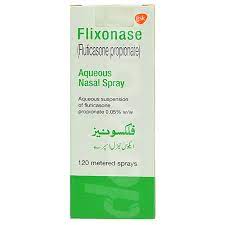
Fluticasone propionate is a medication commonly used to treat various respiratory conditions. It belongs to a class of drugs called corticosteroids, which work by reducing inflammation in the body. Fluticasone propionate is available in several forms, including nasal spray, inhaler, and topical cream. In this article, we will explore the uses, benefits, side effects, and warnings associated with fluticasone propionate.
Uses
Fluticasone propionate is primarily used to manage symptoms associated with respiratory conditions such as asthma, allergic rhinitis (hay fever), and chronic obstructive pulmonary disease (COPD). Some specific uses include:
1. Asthma: Fluticasone propionate inhaler helps control and prevent asthma symptoms by reducing inflammation in the airways. It is used as a maintenance treatment in patients above the age of 4 years.
2. Allergic Rhinitis: Fluticasone propionate nasal spray helps relieve symptoms of allergic rhinitis, including sneezing, nasal congestion, runny nose, and itching. It is effective for both seasonal and perennial allergic rhinitis.
3. COPD: Fluticasone propionate combined with another medication called salmeterol is used to manage symptoms of chronic obstructive pulmonary disease (COPD), including shortness of breath, coughing, and wheezing.
Benefits
The use of fluticasone propionate offers several benefits to patients with respiratory conditions:
1. Reduced Inflammation: Fluticasone propionate helps reduce inflammation in the airways, making it easier for individuals with asthma or COPD to breathe.
2. Symptom Relief: It effectively alleviates symptoms such as nasal congestion, sneezing, itching, and runny nose associated with allergic rhinitis.
3. Prevention of Asthma Attacks: Regular use of fluticasone propionate inhalers can help prevent asthma attacks and reduce the need for rescue inhalers.
4. Long-term Control: Fluticasone propionate provides long-term control of symptoms, allowing individuals to lead an active and normal lifestyle.
Side Effects
Like any medication, fluticasone propionate can cause side effects, although not everyone experiences them. Some common side effects include:
1. Nasal Spray: Possible side effects of the nasal spray form include nasal irritation, headache, and occasional nosebleeds.
2. Inhaler: Side effects commonly associated with the inhaler include throat irritation, hoarse voice, and oral thrush (a fungal infection in the mouth).
3. Topical Cream: If fluticasone propionate is used as a topical cream, potential side effects may include burning, itching, redness, or dryness at the application site.
It’s important to note that these side effects are usually mild and temporary. However, if you experience severe or persistent side effects, it is recommended to consult your healthcare provider.
Warnings
Fluticasone propionate should be used with caution, and certain precautions should be taken:
1. Allergies: Inform your healthcare provider if you have any known allergies, especially to corticosteroids, as this medication may cause allergic reactions.
2. Infections: Corticosteroids can suppress the immune system, increasing the risk of infections. Avoid this medication during active infections, such as fungal, bacterial, or viral infections, unless advised by your healthcare provider.
3. Eye Issues: Fluticasone propionate should not be used for treating eye conditions. If accidental contact with the eyes occurs, rinse thoroughly with water and seek immediate medical attention.
4. Systemic Effects: Prolonged use or high doses of corticosteroids can result in systemic effects, including adrenal suppression, growth retardation in children, or mood changes. The risk of these effects is minimized when the medication is used as directed.
5. Drug Interactions: Inform your healthcare provider about all other medications you are taking, including herbal supplements, to prevent potential drug interactions.
It is essential to follow your healthcare provider’s instructions and not exceed the prescribed dosage unless advised to do so.
FAQs
No, fluticasone propionate is not indicated for treating common cold symptoms.
Consult your healthcare provider before using any medication while pregnant or breastfeeding.
It is important to continue using fluticasone propionate as prescribed, even if your symptoms improve, to maintain long-term control.
Yes, certain medications can interact with fluticasone propionate. Inform your healthcare provider of all medications you are taking.
Switching between different forms of fluticasone propionate should only be done under the guidance of your healthcare provider.






