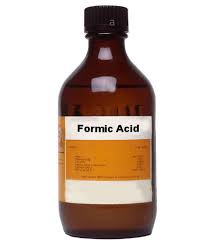
Formic acid is a chemical compound that is widely used in various industries and has numerous applications in different fields. Also known as methanoic acid, it is a colorless liquid with a strong pungent smell. In this article, we will explore the uses, benefits, side effects, and warnings associated with formic acid.
Uses
Formic acid finds its utility in diverse industries, thanks to its versatile properties. Some of its notable uses include:
- Fertilizer and agriculture: Formic acid is used as a pesticide and agriculturists often use it to kill pests and mites. Its effectiveness in combating unwanted intruders makes it an essential tool in maintaining healthy crops.
- Leather industry: It serves as a vital component in the leather industry, as it helps in tanning animal hides, making them durable and resistant to decay.
- Food processing: In the food industry, formic acid is employed as a food preservative. It helps prevent the growth of bacteria and molds in various food products, thereby extending their shelf life.
- Textile industry: The dyeing and finishing processes of textiles often involve formic acid due to its effective color-fixing properties. It helps in enhancing the color fastness of fabrics.
- Laboratory use: Formic acid is widely used in laboratories as a solvent for various chemical reactions and as an ingredient in cleaning agents.
Benefits
Formic acid offers several benefits in different fields:
- Effective pesticide: Its use as a pesticide aids in the protection of crops from harmful pests and mites, ensuring better yield and quality.
- Preservative properties: Formic acid’s ability to prevent growth of bacteria and molds in food products promotes their longevity, reducing food waste and increasing safety and availability.
- Superior leather quality: Its application in tanning animal hides leads to the production of superior quality leather products, ensuring durability and long-lasting appeal.
- Enhanced textile color: Formic acid contributes to vibrant and long-lasting color retention in textiles, making fabrics more visually appealing.
- Efficient cleaning agent: Its use as a solvent in cleaning agents aids in removing stubborn stains and ensuring effective cleaning in laboratory and industrial settings.
Side Effects
While formic acid has many useful applications, it is important to be cautious about its potential side effects. Some common side effects of formic acid include:
- Skin irritation: Direct contact with formic acid can cause severe skin irritation, leading to redness, rashes, and itching.
- Eye irritation: Exposure of the eyes to formic acid can result in irritation, burning sensation, and redness. It is crucial to protect eyes during handling.
- Respiratory problems: Inhalation of formic acid fumes can cause respiratory difficulties, including coughing, shortness of breath, and throat irritation.
- Corrosive effects: Formic acid is corrosive in nature and can damage surfaces, particularly metals and certain fabrics.
- Toxicity: High concentrations of formic acid, if ingested or absorbed into the bloodstream, can lead to toxicity symptoms such as nausea, vomiting, and dizziness.
Warnings
It is essential to follow certain precautions while handling formic acid:
- Protective gear: Always don appropriate protective gear, including gloves, goggles, and a lab coat, when dealing with formic acid to minimize the risk of direct contact and inhalation.
- Ventilation: Ensure proper ventilation in areas where formic acid is used or stored to prevent the accumulation of toxic fumes.
- Storage: Store formic acid in cool, dry places, away from direct sunlight and incompatible substances, to minimize the risk of chemical reactions or leakage.
- Proper disposal: Dispose of formic acid waste in accordance with local regulations and guidelines to prevent environmental contamination.
- Medical assistance: In case of accidental ingestion, inhalation, or any adverse reactions, seek immediate medical attention for appropriate treatment.
FAQs
Yes, formic acid can be harmful if it comes into direct contact with the skin, eyes, or is ingested in high concentrations. It is essential to follow safety precautions when handling or using this chemical compound.
Due to its corrosive nature and potential health hazards, formic acid is not recommended for general household cleaning. It is primarily used in industrial settings and laboratories.
No, formic acid has various applications besides its role in the textile industry. It is widely used in agriculture, food processing, leather tanning, and as a cleaning agent in laboratories.
Formic acid has a relatively long shelf life if stored properly. It should be stored in cool, dry places away from direct sunlight and incompatible substances to maintain its stability and efficacy.