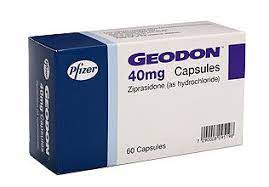
Geodon is a medication used to treat symptoms of schizophrenia or bipolar disorder. It belongs to a class of drugs called atypical antipsychotics. This drug affects the chemicals in the brain which are responsible for maintaining mental balance.
Uses
The primary use of Geodon is for the treatment of symptoms associated with schizophrenia or bipolar disorder. This medication works by altering neurotransmitter activity in the brain, resulting in decreased anxiety and improved mood. Additionally, it is sometimes utilized as an alternative medication when traditional antipsychotic medications have not been effective.
Benefits
Geodon provides several benefits for those who take it. It can help reduce symptoms of psychosis, including hallucinations, delusions, and disordered thinking. Moreover, it helps stabilize mood and prevents episodes of both mania and depression in bipolar disorder patients. While many traditional antipsychotic medications have significant side effects, Geodon is generally well-tolerated, and its side effects are relatively mild.
Side Effects
Like most medications, Geodon may include some side effects. Common side effects include drowsiness, dizziness, weight gain, and constipation. Also, it can cause disturbances in vision or other sensory perceptions. However, these symptoms tend to be very rare. It is essential to speak with a doctor if symptoms become severe or bothersome. Serious side effects, such as fever, muscle stiffness, and confusion, occur only in rare cases.
Warnings
There are several warnings associated with Geodon. Firstly, it should not be taken by elderly patients who have dementia-related psychosis, as it may increase the risk of strokes or heart issues. Additionally, it can lead to prolonged QT-interval, a potential life-threatening heart rhythm disorder. Therefore doctors may monitor individuals taking this medication for any signs of heart-related issues.
Geodon has a moderately high risk of causing metabolic changes, leading to weight gain, and potential health issues like diabetes. Patients taking the medicine should have their weight and blood sugar levels monitored regularly. Furthermore, patients who are allergic to Geodon or any of its components should not take this medication. Moreover, those with a history of heart conditions, seizures, or liver or kidney impairment should speak with their doctor before beginning Geodon treatment.
FAQs
Yes, drowsiness is one of the most common side effects of this medication.
It depends on the situation and the medications being taken. It is essential to speak with a doctor to ensure that there are no adverse interactions.
While some patients see improvements in symptoms within a few days, Geodon typically takes several weeks before significant improvements occur.
Alcohol may interact with the medication and cause severe drowsiness. Limiting alcohol intake while taking this medication is recommended.
Weight gain is a potential side effect, and it is essential to monitor weight and exercise regularly while taking Geodon.






 treats schizophrenia and bipolar disorder. See its uses, dosage, side effects and QT prolongation warnings.)