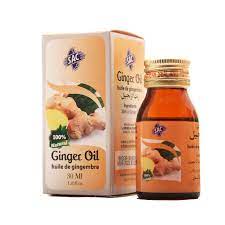
Ginger oil is derived from the roots of the ginger plant, scientifically known as Zingiber officinale. With its warm and spicy aroma, ginger oil has been used for centuries in traditional medicine for its numerous health benefits. This article explores the various uses, benefits, side effects, and warnings associated with ginger oil.
Uses
Ginger oil has a wide range of uses and applications. Here are some common ones:
1. Aromatherapy
Ginger oil is often used in aromatherapy due to its invigorating and stimulating properties. It can help reduce feelings of anxiety, exhaustion, and stress. The warm and soothing aroma of ginger oil can uplift your mood and promote relaxation.
2. Digestive Aid
Ginger oil is renowned for its digestive benefits. It can help alleviate digestive discomfort, such as indigestion, bloating, and flatulence. Ginger oil stimulates the production of digestive enzymes, enhancing the digestion process and promoting overall gut health.
3. Pain Relief
Topical application of ginger oil can provide relief from pain and inflammation. It is commonly used to soothe muscle aches, joint pain, and headaches. Ginger oil possesses analgesic and anti-inflammatory properties, making it an effective natural remedy for pain management.
4. Respiratory Health
Ginger oil is beneficial for respiratory health. It can help alleviate symptoms of respiratory conditions like coughs, colds, and sinus congestion. The expectorant properties of ginger oil help loosen mucus and phlegm, facilitating easier breathing and reducing congestion.
5. Hair and Scalp Care
Ginger oil is often used in hair care products due to its nourishing and stimulating properties. It can promote hair growth, prevent dandruff, and improve scalp health. Regular application of ginger oil can result in healthier, shinier, and more manageable hair.
Benefits
Ginger oil offers numerous health benefits, including:
1. Anti-inflammatory Properties
Ginger oil contains potent anti-inflammatory compounds that can help reduce inflammation in the body. This makes it beneficial for individuals suffering from arthritis, muscle soreness, and other inflammatory conditions.
2. Antimicrobial Activity
Ginger oil exhibits antimicrobial properties, which can help inhibit the growth of various bacteria and fungi. It can be used to treat skin infections, wounds, and fungal conditions like athlete’s foot.
3. Nausea Relief
One of the well-known benefits of ginger oil is its ability to alleviate nausea and vomiting. It is often used as a natural remedy for motion sickness, morning sickness during pregnancy, and postoperative nausea.
4. Improved Circulation
Ginger oil can help improve blood circulation, which is essential for overall health. It can enhance oxygen and nutrient delivery to different parts of the body, promoting better organ function and overall vitality.
5. Mental Clarity and Focus
The stimulating properties of ginger oil can enhance mental clarity, concentration, and focus. It can help combat mental fatigue, improve cognitive function, and increase alertness.
Side Effects and Warnings
While ginger oil is generally safe for most people, it’s important to be aware of potential side effects and warnings:
1. Skin Sensitivity
Some individuals may experience skin irritation or allergic reactions when using ginger oil topically. It is recommended to perform a patch test before applying ginger oil directly to the skin.
2. Interaction with Medications
Ginger oil may interact with certain medications, including blood thinners, anticoagulants, and diabetes medications. If you are taking any medications, it’s advisable to consult with a healthcare professional before using ginger oil.
3. Pregnancy and Breastfeeding
Pregnant and breastfeeding women should exercise caution when using ginger oil. While it is generally considered safe, it is best to consult with a healthcare provider before using ginger oil during these stages.
4. Internal Consumption
Ginger oil should not be ingested without proper dilution and guidance from a healthcare professional. Internal consumption of undiluted ginger oil may cause digestive upset and other adverse effects.
5. Children
Ginger oil should be used with caution in children. It is recommended to consult with a pediatrician before using ginger oil on children or administering it internally.
FAQs
Can ginger oil be used for cooking?
No, ginger oil is highly concentrated and potent, making it unsuitable for cooking. It is best used in small quantities for aromatherapy or topical applications.
How can I use ginger oil for digestive issues?
Ginger oil can be diluted with a carrier oil, such as coconut oil, and massaged onto the abdomen to ease digestive discomfort. It can also be inhaled or diffused for its aromatherapy benefits.
Is ginger oil safe for sensitive skin?
While ginger oil is generally safe for most people, individuals with sensitive skin should perform a patch test before using it topically. If any irritation occurs, discontinue use.
Can ginger oil help with menstrual cramps?
Yes, ginger oil’s anti-inflammatory and analgesic properties can help alleviate menstrual cramps. Dilute it with a carrier oil and gently massage onto the lower abdomen for relief.
Where can I purchase ginger oil?
Ginger oil can be found in health food stores, specialty stores, and online retailers. Ensure you purchase 100% pure, therapeutic-grade ginger oil from a reputable source.