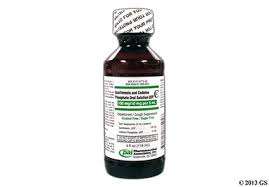
Guaiatussin AC is a medication commonly used to relieve cough and chest congestion caused by the common cold, bronchitis, or other respiratory illnesses. It contains a combination of guaifenesin, an expectorant, and codeine, a narcotic cough suppressant. This article will explore the uses, benefits, side effects, and warnings associated with Guaiatussin AC.
Uses
Guaiatussin AC is primarily used to treat cough and chest congestion. It helps to loosen and thin mucus in the airways, making it easier to cough up. The codeine component acts as a cough suppressant, providing relief from persistent and bothersome coughing. It is important to note that this medication should only be used for a short period as directed by a healthcare professional.
Benefits
The main benefit of Guaiatussin AC is its ability to provide relief from cough and chest congestion. By loosening the mucus and suppressing cough, it allows individuals to breathe more easily and reduces discomfort caused by persistent coughing. This medication can provide temporary relief, allowing individuals to rest and recover from respiratory illnesses.
Side Effects
Like any medication, Guaiatussin AC can cause side effects. Common side effects may include dizziness, drowsiness, nausea, vomiting, constipation, and stomach upset. These side effects are usually mild and temporary. However, if any of these side effects persist or worsen, it is important to consult a healthcare professional.
Serious side effects are rare but may include allergic reactions, difficulty breathing, irregular heartbeat, mood changes, confusion, or hallucinations. If any of these severe side effects occur, immediate medical attention should be sought.
Warnings
There are certain precautions and warnings associated with Guaiatussin AC that should be considered before using this medication.
Firstly, the use of Guaiatussin AC is not recommended for individuals who have a history of certain medical conditions such as asthma, breathing problems, liver or kidney disease, or alcohol or drug addiction. It is essential to disclose any pre-existing medical conditions to a healthcare professional before starting this medication.
Secondly, Guaiatussin AC may interact with other medications, including certain antidepressants, sedatives, or muscle relaxants. It is crucial to inform the healthcare professional about all the medications, supplements, or herbal products being taken to avoid any potential drug interactions.
Furthermore, this medication may cause drowsiness or dizziness. It is advised to avoid driving, operating machinery, or engaging in any activities that require alertness until the effects of the medication are known.
Lastly, Guaiatussin AC should not be used during pregnancy or while breastfeeding without consulting a healthcare professional. The potential risks and benefits should be carefully evaluated before using this medication in such cases.
FAQs
Guaiatussin AC typically starts working within 30 minutes to one hour after taking the medication. However, the exact time it takes for relief may vary between individuals.
Combining Guaiatussin AC with other cough medications can increase the risk of side effects. It is best to consult a healthcare professional before combining different cough medications.
Alcohol should be avoided while taking Guaiatussin AC as it can increase the risk of drowsiness and other side effects.
Guaiatussin AC is not recommended for children under the age of 18. It is important to consult a healthcare professional for appropriate pediatric cough medications.
It is essential to complete the prescribed course of medication even if the cough improves. Discontinuing Guaiatussin AC prematurely may lead to the return of symptoms or incomplete recovery.
Overall, Guaiatussin AC is an effective medication for relieving cough and chest congestion. However, it is crucial to follow the recommended dosage and consult a healthcare professional for proper guidance and to address any concerns or questions.