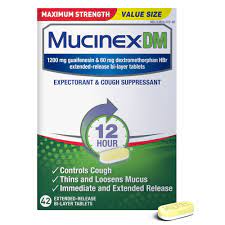
Guaifenesin Dextromethorphan Decongestant is a medication commonly used to relieve symptoms associated with a cold or respiratory infections. This combination medication contains guaifenesin, dextromethorphan, and a decongestant. It is important to understand the uses, benefits, side effects, and warnings associated with this medicine before using it.
Uses
Guaifenesin Dextromethorphan Decongestant is primarily used to provide relief from symptoms such as coughing, congestion, and mucus production. The guaifenesin component helps in thinning and loosening mucus in the airways, making it easier to cough out. Dextromethorphan, on the other hand, works as a cough suppressant, providing temporary relief from coughing. The decongestant helps reduce nasal congestion by constricting blood vessels in the nasal passages.
Benefits
The combination of guaifenesin, dextromethorphan, and a decongestant offers several benefits to individuals suffering from cold or respiratory infections. By thinning and loosening mucus, guaifenesin helps in clearing the airways, making breathing easier. Dextromethorphan acts as a cough suppressant, reducing the frequency and intensity of coughing. The decongestant component helps relieve nasal congestion, allowing for improved airflow and reduced discomfort.
Side Effects
While Guaifenesin Dextromethorphan Decongestant is generally well-tolerated, some individuals may experience side effects. Common side effects include drowsiness, dizziness, upset stomach, nausea, and headache. These side effects are usually mild and temporary. However, if any of these side effects persist or worsen, it is important to seek medical attention. Additionally, allergic reactions such as rash, itching, swelling, severe dizziness, or trouble breathing may occur. In such cases, immediate medical assistance should be sought.
Warnings
Before using Guaifenesin Dextromethorphan Decongestant, it is crucial to consider certain warnings. Firstly, individuals with certain medical conditions, such as asthma, chronic bronchitis, glaucoma, or high blood pressure, should consult their healthcare provider before using this medication. It is important to disclose any existing medical conditions and medications to ensure the safe use of this medicine.
Furthermore, this medication may cause drowsiness or dizziness. It is advised to avoid activities that require alertness, such as driving or operating machinery, until the effects of the medication are known. Alcohol and other sedatives may enhance these side effects, and their consumption should be minimized or avoided.
It is essential to follow the recommended dosage and not exceed the prescribed amount. Overdosing on this medication can lead to serious health complications. If an overdose is suspected, immediate medical attention should be sought.
FAQs
It is advisable to consult your healthcare provider before using this medication if you have high blood pressure, as the decongestant component may elevate blood pressure levels.
Guaifenesin Dextromethorphan Decongestant is not recommended for children under the age of 12 without consulting a pediatrician. Always follow the recommended dosage for children.
The onset of relief may vary from person to person. Generally, this medication starts providing relief within 30 minutes to an hour after ingestion.
It is important to read the labels of other cold medicines carefully, as they may contain similar ingredients. Combining multiple medications with the same active ingredients can increase the risk of side effects and overdose. Consult your healthcare provider before using multiple cold medications simultaneously.
Pregnant or breastfeeding women should consult their healthcare provider before using Guaifenesin Dextromethorphan Decongestant to assess potential risks and benefits for themselves and the baby.