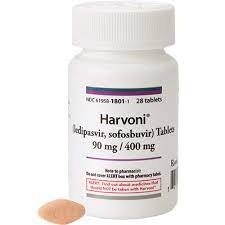
Uses:
Harvoni is a medication used to treat chronic hepatitis C virus (HCV) infection in adults. It is a combination of two antiviral drugs, ledipasvir and sofosbuvir, which work together to inhibit the replication of the HCV. This medication is effective against different genotypes of the virus and is often prescribed for those with genotype 1, the most common type in the United States.
Benefits:
Harvoni has revolutionized the treatment of chronic hepatitis C by providing a highly effective cure for the majority of patients. The medication has shown remarkable success rates, with up to 95% of patients achieving sustained virologic response (SVR), which is considered a cure for hepatitis C. It has significantly improved the quality of life for those who previously had limited treatment options and faced the risk of developing severe liver complications.
Side Effects:
While Harvoni is generally well-tolerated, some individuals may experience side effects. The most commonly reported side effects include fatigue, headache, nausea, and diarrhea. These side effects are usually mild and transient. In rare cases, more serious side effects such as allergic reactions, liver problems, and changes in mood or behavior may occur. It is important to consult a healthcare professional if any unusual or severe side effects are experienced.
Warnings:
Harvoni should not be taken by individuals who are allergic to any of its components. It is also important to inform the healthcare provider about any existing medical conditions or medications being taken to ensure the safety and effectiveness of the treatment. Patients with severe liver disease or certain other medical conditions may require additional monitoring while taking Harvoni. The medication may interact with certain drugs, so it is crucial to provide a complete list of medications to the healthcare provider.
Frequently Asked Questions (FAQs)
Yes, Harvoni has shown high cure rates for hepatitis C. In most cases, it can completely eliminate the virus from the body, leading to sustained virologic response (SVR).
The duration of treatment with Harvoni varies depending on individual factors such as the genotype of the virus and the presence of liver damage. In general, treatment can last for 8 to 12 weeks.
There are no specific dietary restrictions associated with Harvoni. However, it is recommended to maintain a healthy diet and avoid excessive alcohol consumption, as it can worsen liver damage.
Yes, Harvoni can interact with certain medications, including some over-the-counter drugs, herbal supplements, and prescription medications. It is important to inform the healthcare provider about all medications being taken to avoid any potential interactions.
Harvoni is not recommended during pregnancy as its effects on the developing fetus are not well-established. It is essential to discuss the potential risks and benefits with a healthcare professional if pregnancy is a concern.