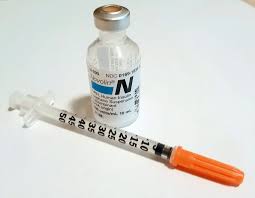
Insulin is a hormone that helps regulate blood sugar levels in the body. Humulin 70/30 U-100 Insulin Subcutaneous is a medication that combines short-acting and intermediate-acting insulin to help control blood sugar in individuals with diabetes. This article will explore the uses, benefits, side effects, and warnings associated with this medication.
Uses
Humulin 70/30 U-100 Insulin Subcutaneous is primarily used to treat individuals with diabetes mellitus, a condition characterized by high blood sugar levels. It is specifically designed for individuals who have difficulty managing their blood sugar with diet and exercise alone. This medication helps control blood sugar levels by mimicking the effects of natural insulin produced by the body.
Benefits
The main benefit of Humulin 70/30 U-100 Insulin Subcutaneous is its ability to lower blood sugar levels and prevent complications associated with diabetes. By using this medication, individuals with diabetes can better manage their condition and reduce the risk of long-term complications such as nerve damage, kidney problems, and heart disease. It also helps improve overall quality of life by reducing symptoms related to high blood sugar, such as excessive thirst, frequent urination, and fatigue.
Side Effects
While Humulin 70/30 U-100 Insulin Subcutaneous is generally well-tolerated, it may cause some side effects in certain individuals. Common side effects include:
1. Hypoglycemia: This occurs when blood sugar levels drop too low. Symptoms may include dizziness, confusion, sweating, and shakiness. It is important to monitor blood sugar levels regularly and be aware of the signs of low blood sugar.
2. Injection site reactions: Some individuals may experience redness, itching, or swelling at the injection site. These reactions are usually mild and resolve on their own.
3. Weight gain: Insulin can cause weight gain in some individuals. It is important to maintain a healthy diet and exercise regularly to manage weight while using this medication.
4. Allergic reactions: Although rare, some individuals may experience allergic reactions to Humulin 70/30 U-100 Insulin Subcutaneous. Symptoms may include rash, itching, swelling, or difficulty breathing. If any allergic reactions occur, immediate medical attention should be sought.
Warnings
It is important to take certain precautions while using Humulin 70/30 U-100 Insulin Subcutaneous. Here are some important warnings to keep in mind:
1. Hypoglycemia risk: The use of this medication increases the risk of hypoglycemia. It is crucial to monitor blood sugar levels regularly and be prepared to treat low blood sugar if it occurs. Always carry a source of fast-acting sugar, such as glucose tablets or juice, in case of emergency.
2. Allergic reactions: If you have a known allergy to any components of Humulin 70/30 U-100 Insulin Subcutaneous, you should not use this medication. Always inform your healthcare provider about any allergies before starting a new medication.
3. Dosage adjustments: Dosage adjustments may be necessary for individuals with kidney or liver problems, as well as during periods of illness or stress. It is important to work closely with your healthcare provider to determine the right dosage for your individual needs.
4. Drug interactions: Some medications may interact with Humulin 70/30 U-100 Insulin Subcutaneous, affecting its effectiveness or increasing the risk of side effects. Inform your healthcare provider about all the medications, including over-the-counter drugs and herbal supplements, that you are taking.
5. Pregnancy and breastfeeding: It is important to discuss the use of Humulin 70/30 U-100 Insulin Subcutaneous with your healthcare provider if you are pregnant or breastfeeding. Insulin needs may change during these periods, and adjustments to your treatment plan may be necessary.
FAQs
Yes, this medication can be used in children with diabetes under the guidance of a healthcare professional. Dosage adjustments may be necessary based on the child’s weight and individual needs.
This medication should be stored in the refrigerator, but not in the freezer. Avoid exposing it to direct sunlight or extreme heat. Discard any unused medication after the expiration date.
No, this medication is not designed for use with insulin pumps. It is intended for subcutaneous injection only.
Consuming alcohol can affect blood sugar levels and increase the risk of hypoglycemia. It is important to drink alcohol in moderation and monitor blood sugar levels closely.
While there are no specific dietary restrictions, it is important to follow a balanced diet and avoid excessive sugar and carbohydrate intake. Working with a registered dietitian can help optimize your meal plan while using this medication.






