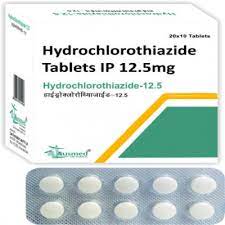
Hydrochlorothiazide is a medication that belongs to the class of diuretics, commonly known as water pills. It is primarily used to treat high blood pressure (hypertension) and fluid retention (edema) caused by various conditions such as congestive heart failure, kidney disorders, or liver disease. This article will discuss the uses, benefits, side effects, and warnings associated with hydrochlorothiazide.
Uses
Hydrochlorothiazide is primarily used for the management of hypertension. It works by increasing the excretion of sodium and water from the body, thus lowering the blood pressure. By reducing fluid retention, it also helps in relieving edema associated with certain medical conditions.
Benefits
The key benefits of hydrochlorothiazide include:
- Effective blood pressure control: Hydrochlorothiazide is considered a first-line treatment for hypertension and can effectively help lower blood pressure levels.
- Reduction of fluid retention: It assists in reducing edema caused by conditions like heart failure, kidney disorders, or liver disease, providing relief to patients.
- Combination therapy: Hydrochlorothiazide can be prescribed in combination with other medications to enhance its therapeutic effects and achieve better blood pressure control.
Side Effects
While hydrochlorothiazide is generally well-tolerated, it may cause certain side effects in some individuals. These can include:
- Frequent urination
- Dizziness or lightheadedness
- Muscle cramps or weakness
- Increased sensitivity to sunlight
- Low levels of potassium, sodium, or magnesium in the blood
- Impotence or decreased sexual drive
- Allergic reactions (rare)
If any of these side effects persist or worsen, it is important to consult a healthcare professional immediately.
Warnings
Before starting hydrochlorothiazide, it is critical to consider the following warnings:
- Allergy caution: Individuals with a history of allergic reactions to hydrochlorothiazide or any other sulfa drugs should avoid using this medication.
- Interaction with certain medications: Inform your healthcare provider about all the medications, supplements, or herbal products you are taking, as hydrochlorothiazide may interact with certain drugs, including lithium, diabetes medications, or nonsteroidal anti-inflammatory drugs (NSAIDs).
- Pregnancy and breastfeeding: Hydrochlorothiazide should be used with caution during pregnancy and breastfeeding, as it may affect the development of the fetus or be transferred to breast milk.
- Medical conditions: Discuss any pre-existing medical conditions, such as kidney or liver disease, diabetes, gout, or lupus, as hydrochlorothiazide may not be suitable for individuals with these conditions.
- Electrolyte imbalances: Regular monitoring of electrolyte levels (potassium, sodium, magnesium) may be necessary, especially for individuals at higher risk of imbalances.
It is crucial to adhere to the prescribed dosage and follow the instructions provided by healthcare professionals to ensure safe and effective use of hydrochlorothiazide.
FAQs
Here are some frequently asked questions about hydrochlorothiazide:
No, hydrochlorothiazide is not indicated for weight loss. While it may cause short-term fluid loss, it is important to remember that weight loss should be achieved through a healthy lifestyle and proper diet.
The onset of hydrochlorothiazide’s effects may vary from individual to individual. Typically, it starts working within 2 hours of ingestion; however, it may take a few weeks to experience the full benefits of the medication.
It is generally recommended to limit alcohol consumption while taking hydrochlorothiazide, as alcohol can lower blood pressure and increase the potential for side effects such as dizziness or lightheadedness.
Yes, hydrochlorothiazide may interact with certain medications such as lithium, diabetes medications, or NSAIDs. It is essential to inform your healthcare provider about all the medications you are taking to avoid potential drug interactions.
Hydrochlorothiazide should be used with caution during pregnancy and breastfeeding. It is important to consult a healthcare professional for personalized advice, as the potential risks and benefits must be carefully evaluated based on individual circumstances.
conclusion
In conclusion, hydrochlorothiazide is a diuretic medication commonly used for the treatment of hypertension and edema. It can effectively lower blood pressure and reduce fluid retention, providing numerous benefits to patients. However, it is crucial to be aware of potential side effects and heed the warnings associated with its use. Always consult a healthcare professional for personalized advice before starting hydrochlorothiazide or any other medication.