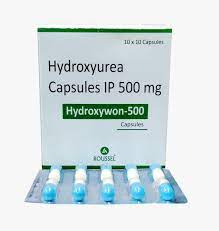
Hydroxyurea is a medication that is primarily used to treat certain types of cancer, including chronic myelogenous leukemia, polycythemia vera, and essential thrombocythemia. It is also used in the treatment of sickle cell anemia and certain types of skin cancer. This article explores the uses, benefits, side effects, and warnings associated with hydroxyurea.
Uses
Hydroxyurea is commonly prescribed as a chemotherapy drug to slow down or halt the growth of cancer cells. It works by damaging the DNA of the cancer cells, preventing them from multiplying and spreading further. Additionally, this medication is used to increase the production of red blood cells in individuals with sickle cell anemia, a genetic blood disorder that causes abnormally shaped red blood cells.
Benefits
The use of hydroxyurea in cancer therapy has shown significant benefits in controlling the progression of certain types of cancer. It can reduce symptoms, prevent tumors from growing or metastasizing, and improve overall survival rates. In the treatment of sickle cell anemia, hydroxyurea has been demonstrated to decrease the frequency of pain crises, reduce the need for blood transfusions, and improve overall quality of life for affected individuals.
Side Effects
Like any medication, hydroxyurea may cause various side effects. Common side effects include nausea, vomiting, diarrhea, loss of appetite, and constipation. This medication may also lead to skin rash, changes in skin color, and small bumps appearing on the skin. Additionally, hydroxyurea may cause hair loss and mouth sores. It is important to talk to your healthcare provider about any side effects you experience.
Warnings
Before starting hydroxyurea treatment, it is vital to inform your healthcare provider about any allergies, previous medical conditions, or current medications you are taking. Hydroxyurea may cause low blood cell counts, which can increase the risk of infection or bleeding. Regular monitoring of blood counts is necessary during treatment with this medication. It is important to use effective contraception during hydroxyurea therapy, as it may cause harm to a developing fetus. This medication should not be used during pregnancy or breastfeeding unless specifically recommended by a healthcare professional.
FAQs
Hydroxyurea cannot cure cancer, but it can effectively slow down the growth and spread of cancer cells, providing significant benefits in disease control and improving survival rates.
The effects of hydroxyurea can vary depending on the condition being treated. In certain cases, such as managing sickle cell anemia, it may take several months to witness noticeable improvements.
There are no specific dietary restrictions associated with hydroxyurea. However, it is important to maintain a healthy and balanced diet to support your overall well-being.
Yes, hydroxyurea can be prescribed for children, especially for sickle cell anemia. However, the dosage and administration should be carefully determined by a pediatrician.
Hydroxyurea is a chemotherapy medication itself. Its use should be discussed with your healthcare provider as it may interact with other chemotherapy drugs being administered simultaneously.
In conclusion, hydroxyurea is a valuable medication used in the treatment of certain types of cancer and sickle cell anemia. While it offers significant benefits, it is essential to be aware of the potential side effects and follow the warnings associated with its usage. Always consult with your healthcare provider before starting hydroxyurea or any new medication.
Disclaimer: This article is for informational purposes only and should not replace professional medical advice. Always consult with a qualified healthcare professional for accurate diagnosis and treatment.