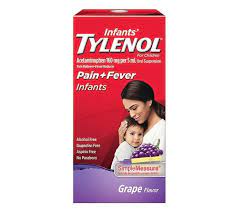
Infants Tylenol, also known as acetaminophen, is a commonly used medication for infants and young children. It is primarily used to reduce fever and relieve pain. This article will discuss the uses, benefits, side effects, and warnings associated with this medicine.
Uses
Infants Tylenol is primarily used to treat fever and pain in infants and children. It is commonly used for various conditions, including:
- Relief of mild to moderate pain, such as teething pain, headache, or muscle aches
- Reduction of fever associated with common childhood illnesses, such as colds, flu, or infections
It is important to note that Infants Tylenol should only be used as directed by a healthcare professional or as instructed on the packaging.
Benefits
Infants Tylenol provides several benefits when used appropriately. These include:
- Reduction of fever: Infants and young children often experience an increase in body temperature during illnesses. Infants Tylenol can help lower their fever, providing comfort and potentially reducing the risk of complications.
- Pain relief: Infants Tylenol can alleviate mild to moderate pain, making infants and children more comfortable and easing their distress.
- Easy administration: Infants Tylenol is available in liquid form, making it easier to administer to young children who may have difficulty swallowing pills.
It is essential to follow the recommended dosage and consult a healthcare professional if you have any concerns or questions about administering Infants Tylenol to your child.
Side Effects
While Infants Tylenol is generally safe when used as directed, it may cause certain side effects in some individuals. Common side effects of this medication include:
- Upset stomach or gastrointestinal discomfort
- Allergic reactions, such as rash or itching
- Changes in liver function (rare)
If your child experiences any unexpected or severe side effects, it is crucial to seek immediate medical attention. Additionally, it is essential to only use the recommended dosage and avoid exceeding the maximum daily dose.
Warnings
When using Infants Tylenol, it is important to consider the following warnings:
- Consult a healthcare professional: Before administering Infants Tylenol, it is recommended to consult your child’s healthcare professional, especially if your child has any underlying medical conditions or is taking other medications.
- Age-specific formulations: Ensure that you are using the correct formulation of Infants Tylenol suitable for your child’s age group.
- Follow dosage instructions: Always follow the recommended dosage instructions provided by your healthcare professional or the packaging. Using excessive amounts can lead to serious health risks.
- Storage and expiration: Properly store Infants Tylenol in a cool, dry place, away from direct sunlight. Check the expiration date before administering the medication.
By following these warnings and using Infants Tylenol responsibly, you can minimize the risk of adverse effects and ensure the safety of your child.
FAQs (Frequently Asked Questions)
Here are some frequently asked questions about Infants Tylenol:
Infants Tylenol is generally safe for infants aged two months and older. However, always consult your child’s healthcare professional before administering any medication to a newborn.
The dosing frequency depends on your child’s age and weight. Always follow the dosage instructions provided by your healthcare professional or the packaging.
It is important to consult your child’s healthcare professional before combining Infants Tylenol with other medications to avoid potential interactions.
While rare, excessive or prolonged use of Infants Tylenol can cause liver damage. Always follow the recommended dosage and consult a healthcare professional if you have any concerns.
Infants Tylenol can be used to alleviate teething pain in infants. However, consult your child’s healthcare professional for appropriate dosage instructions and other recommendations.
Remember, it is crucial to seek guidance from a healthcare professional for personalized advice and information regarding your child’s specific needs and condition.