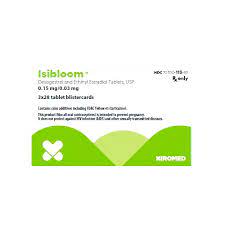
Isibloom is a combination medication that is widely used as an oral contraceptive to prevent pregnancy. This article provides information about its uses, benefits, side effects, and warnings to help you make an informed decision about its usage.
Uses
Isibloom primarily works by preventing the release of an egg from the ovary, thereby making it difficult for sperm to reach the uterus and fertilize the egg. Additionally, it also changes the lining of the uterus, making it less receptive to the implantation of a fertilized egg. Isibloom is a highly effective contraceptive when used correctly and consistently.
Benefits
There are several benefits associated with the use of Isibloom:
- Highly effective: Isibloom has been proven to be over 99% effective when used correctly, making it one of the most reliable forms of birth control available.
- Regulated menstrual cycle: Isibloom can help regulate and reduce the intensity of menstrual cycles, leading to reduced menstrual pain and a more predictable cycle.
- Reduced risk of certain cancers: Long-term use of Isibloom has been associated with a reduced risk of ovarian and endometrial cancers.
- Treatment for acne: Isibloom has been approved by the FDA for the treatment of moderate acne in females who are at least 15 years old and have started their menstrual periods.
- Convenience: Isibloom is a convenient form of birth control as it only requires a daily pill, making it easier for individuals who may find other methods less suitable.
Side Effects
While Isibloom is generally well-tolerated, some individuals may experience side effects. Common side effects include:
- Nausea
- Headache
- Weight changes
- Changes in menstrual bleeding patterns
- Breast tenderness
- Mood changes
These side effects are usually mild and tend to resolve on their own. However, if they persist or worsen, it is advisable to consult a healthcare professional.
Warnings
It is important to be aware of the following warnings associated with the use of Isibloom:
- Increased risk of blood clots: Isibloom increases the risk of blood clots, especially in individuals who smoke, are overweight, or have a history of blood clotting disorders. It is important to discuss your medical history with a healthcare professional before starting Isibloom.
- Interactions with other medications: Isibloom may interact with certain medications, such as antibiotics, anticonvulsants, and antiretrovirals. It is essential to inform your healthcare provider about all medications you are taking to avoid potential interactions.
- Increased risk of cardiovascular events: Isibloom may slightly increase the risk of cardiovascular events, such as heart attack and stroke. It is important to discuss any existing cardiovascular conditions with your healthcare provider.
- Allergic reactions: Some individuals may be allergic to Isibloom. If you experience symptoms of an allergic reaction, such as rash, itching, swelling, or difficulty breathing, seek immediate medical attention.
FAQs
No, Isibloom is not intended for use as an emergency contraceptive. It is a daily oral contraceptive that requires consistent usage to be effective. If you require emergency contraception, consult a healthcare professional.
Isibloom should be taken as directed by your healthcare provider. Typically, it takes seven days of consistent usage for Isibloom to become fully effective in preventing pregnancy. During this initial period, it is recommended to use additional barrier methods of contraception.
If you miss a dose of Isibloom, follow the instructions provided by your healthcare provider or the package insert. Generally, if you miss one active pill, take it as soon as you remember and continue with the regular schedule. If you miss two or more pills, refer to the package insert or consult your healthcare provider for further guidance.
No, Isibloom does not protect against sexually transmitted infections. It is solely intended for the prevention of pregnancy. To protect against STIs, it is recommended to use barrier methods, such as condoms, in addition to Isibloom.
Isibloom is generally not recommended while breastfeeding. It is important to discuss alternative forms of contraception with your healthcare provider that are safe to use during breastfeeding.