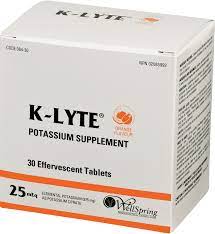
K Lyte: A Potassium Medicine
Potassium is an essential mineral that plays a vital role in various bodily functions such as maintaining fluid and electrolyte balance, regulating blood pressure, and supporting proper muscle and nerve function. K Lyte is a potassium medicine that helps maintain potassium levels in the body. This article aims to educate people on the uses, benefits, side effects, and warnings of K Lyte, an effective potassium supplement.
Uses
K Lyte is used to prevent or treat low levels of potassium in the blood, a condition called hypokalemia. Hypokalemia can occur due to various reasons such as excessive sweating, diarrhea, vomiting, or the use of certain medications such as diuretics. K Lyte helps correct this imbalance and restore the right levels of potassium in the body.
Benefits
K Lyte offers several benefits to the body that include:
1. Regulating blood pressure: Adequate potassium intake is essential for maintaining normal blood pressure levels. Potassium helps relax the blood vessels, reducing the risk of heart disease and stroke.
2. Supporting bone health: Potassium helps reduce calcium loss in urine, promoting stronger bones and reducing the risk of osteoporosis.
3. Enhancing muscle function: Potassium plays a vital role in maintaining proper muscle function, including the heart muscle. Adequate potassium intake can prevent muscle cramps and weakness.
4. Relieving anxiety and stress: Potassium helps regulate neurotransmitter activity in the brain, reducing anxiety and stress levels.
5. Boosting metabolism: Potassium helps convert food into energy, promoting a healthy metabolism.
Side Effects
Although K Lyte is generally safe, it can cause some side effects that include:
1. Upset stomach, nausea, vomiting, or diarrhea.
2. Slow or irregular heartbeat.
3. Tiredness, weakness, or feeling of heaviness in the limbs.
4. Excessive thirst or dry mouth.
5. Tingling or numbness in the hands, feet, or lips.
6. Allergic reactions such as rash, hives, or difficulty breathing.
Warnings
People with the following conditions should take K Lyte only after consulting their doctor:
1. Kidney problems.
2. Liver disease.
3. Heart disease.
4. High blood pressure.
5. Addison’s disease.
Prolonged use of K Lyte can cause potassium buildup in the body, leading to a life-threatening condition called hyperkalemia. Symptoms of hyperkalemia include muscle weakness, fatigue, chest pain, and irregular heartbeat.
K Lyte can interact with certain medications such as ACE inhibitors, diuretics, and some antibiotics. It is crucial to inform your doctor about all the medications you are taking before starting K Lyte.
FAQs
No, K Lyte is available over the counter as a dietary supplement.
Dosage varies based on age, weight, and the level of potassium deficiency. It is essential to follow the doctor’s prescription or the label instructions.
Potassium supplements should only be taken during pregnancy under a doctor’s supervision.
Yes, potassium-rich foods include bananas, sweet potatoes, spinach, avocados, and yogurt.
It is recommended to consult your doctor before taking any other supplements along with K Lyte to avoid any adverse effects.
Conclusion:
K Lyte is a useful potassium supplement that can help prevent and treat hypokalemia. It offers several benefits such as regulating blood pressure, supporting bone health, enhancing muscle function, relieving anxiety and stress, and boosting metabolism. However, it can cause some side effects and interact with certain medications. It is essential to follow the prescribed dosage and consult your doctor before taking K Lyte. Adequate potassium intake is essential for maintaining a healthy body, and K Lyte is an effective supplement for achieving this goal.