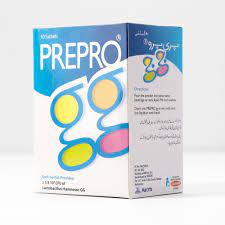
Lactobacillus rhamnosus GG (LGG) is a type of probiotic bacteria that has gained popularity for its potential health benefits. This strain of bacteria is commonly found in the human gastrointestinal tract and has been extensively studied for its therapeutic properties. In this article, we will explore the uses, benefits, side effects, and warnings associated with Lactobacillus rhamnosus GG.
Uses
Lactobacillus rhamnosus GG is primarily used to promote digestive health. It is believed to help restore the natural balance of bacteria in the gut, which can be disrupted by factors such as antibiotic use, stress, or poor diet. This probiotic strain is commonly recommended for the following conditions:
- Diarrhea: Lactobacillus rhamnosus GG has been shown to reduce the duration and severity of infectious diarrhea, particularly in children. It can also help alleviate symptoms of antibiotic-associated diarrhea.
- Constipation: Some studies suggest that Lactobacillus rhamnosus GG may help improve bowel movements and relieve constipation.
- Intestinal disorders: This probiotic strain has shown promise in managing various gastrointestinal conditions, including irritable bowel syndrome (IBS), inflammatory bowel disease (IBD), and lactose intolerance.
- Immune support: Lactobacillus rhamnosus GG is believed to enhance the immune system by increasing the production of certain immune cells and promoting a healthy gut microbiome.
- Allergies: Some research suggests that LGG may help reduce the risk and severity of certain allergies, including eczema and allergic rhinitis.
Benefits
While more research is needed to fully understand the potential benefits of Lactobacillus rhamnosus GG, preliminary studies have shown promising results. Some of the potential benefits associated with this probiotic strain include:
- Improved digestive health
- Enhanced immune function
- Reduced risk of diarrhea
- Relief from symptoms of gastrointestinal disorders
- Possible prevention or reduction of certain allergies
Side Effects
Lactobacillus rhamnosus GG is generally considered safe for most individuals when taken in appropriate doses. However, like any supplement, it can cause side effects in some people. Common side effects may include:
- Gas and bloating
- Upset stomach
- Diarrhea
- Allergic reactions (rare)
If you experience any severe or persistent side effects, it is important to discontinue use and consult a healthcare professional.
Warnings
While Lactobacillus rhamnosus GG is generally safe, certain precautions should be taken:
- Pregnancy and breastfeeding: Limited research is available on the safety of LGG during pregnancy and breastfeeding. It is recommended to consult a healthcare professional before using any probiotic supplement during these periods.
- Immunocompromised individuals: People with weakened immune systems should exercise caution when using LGG, as it may pose a risk of infection.
- Allergies: Individuals with known allergies to dairy products or any components of Lactobacillus rhamnosus GG should avoid its use.
- Interaction with medications: LGG may interact with certain medications, such as antibiotics and immunosuppressants. It is advisable to consult a healthcare professional before starting LGG if you are taking any medications.
conclusion
In conclusion, Lactobacillus rhamnosus GG is a probiotic strain that offers potential benefits for digestive health, immune support, and management of certain conditions. While generally safe, it is important to be aware of potential side effects and take necessary precautions, especially for individuals with specific medical conditions or allergies. As always, consulting a healthcare professional is advisable before starting any new supplement.
FAQs
Here are some frequently asked questions about Lactobacillus rhamnosus GG:
Yes, Lactobacillus rhamnosus GG can be taken alongside antibiotics. It may help prevent or reduce the occurrence of antibiotic-associated diarrhea, which is a common side effect of antibiotic use.
The effects of LGG can vary from person to person. It may take a few days to a few weeks to notice the beneficial effects on digestive health or immune function. Consistent use is recommended for optimal results.
Yes, LGG is generally safe for children. It is commonly used to reduce the duration and severity of infectious diarrhea in pediatric patients. However, it is advisable to consult a pediatrician for appropriate dosing and guidance.
No scientific evidence suggests that LGG causes weight gain. In fact, some studies suggest that probiotics, including LGG, may help with weight management by promoting a healthy gut microbiome and improving digestion.
Lactobacillus rhamnosus GG is typically cultured in a medium containing dairy products. Therefore, it may not be suitable for individuals following a strict vegan or dairy-free diet. However, there are vegan-friendly alternatives available in the form of other probiotic strains.






 is a type of probiotic bacteria that has gained popularity for its potential health benefits.)