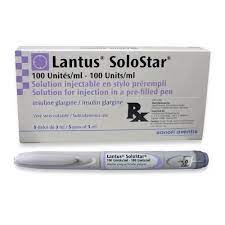
Uses
Lantus Insulin, also known by its generic name insulin glargine, is a long-acting insulin used to control blood sugar levels in individuals with diabetes. It is prescribed for both adults and children with type 1 diabetes (where the body does not produce insulin) and type 2 diabetes (where the body does not effectively use the insulin it produces). Lantus Insulin helps regulate blood sugar levels throughout the day and night, providing effective diabetes management.
Benefits
The primary benefit of Lantus Insulin is its long-lasting action, as it can help maintain stable blood sugar levels for up to 24 hours. This prolonged control reduces the need for multiple daily injections, allowing patients to have better management of their diabetes. By regulating blood sugar levels, Lantus Insulin helps reduce the risk of severe complications associated with diabetes, such as kidney problems, nerve damage, and vision issues.
Side Effects
While Lantus Insulin has proven highly effective in managing blood sugar levels, it may also cause certain side effects. Common side effects include injection site reactions, such as redness, swelling, or itching. These reactions are usually mild and temporary. In some cases, individuals may experience low blood sugar (hypoglycemia), which can cause dizziness, blurred vision, or confusion. On the contrary, some individuals may also experience high blood sugar (hyperglycemia), resulting in increased thirst and frequent urination. If any of these side effects persist or worsen, it is crucial to seek medical advice.
Warnings
Before using Lantus Insulin, individuals should inform their healthcare provider about any allergies they may have, especially to insulin or any other diabetes medications. It is essential to discuss the medical history, particularly any kidney or liver disease, as it may affect the dosage or suitability of Lantus Insulin. Pregnant or breastfeeding individuals should consult their healthcare provider before using this medication. It is important to monitor blood sugar levels regularly and make appropriate adjustments in the insulin dosage as instructed by the healthcare professional.
FAQs
Lantus Insulin is usually taken once a day, at the same time each day. It is important to follow the dosage instructions provided by your healthcare provider.
No, Lantus Insulin should not be mixed with any other type of insulin. It is meant to be used as a separate injection and should not be mixed in the same syringe with other insulins.
Yes, Lantus Insulin can be prescribed to children with diabetes. However, the dosage and administration should be determined by a healthcare professional according to the child’s individual needs.
Certain medications, such as beta-blockers or certain oral diabetes medications, may interact with Lantus Insulin. It is crucial to inform your healthcare provider about all the medications and supplements you are currently taking to avoid potential interactions. It is also important to follow any dietary recommendations, including proper meal planning, provided by your healthcare provider.
No, Lantus Insulin does not cure diabetes. It is used to manage and control blood sugar levels in individuals with diabetes. Proper management involves a combination of medication, lifestyle changes, such as a healthy diet and regular exercise, and close monitoring of blood sugar levels.
In conclusion, Lantus Insulin is a potent medication used for the management of diabetes. It helps regulate blood sugar levels, reducing the risk of complications associated with uncontrolled diabetes. While it has the potential to cause side effects, they are generally mild and temporary. It is important to follow the prescribed dosage and frequently monitor blood sugar levels to achieve optimal results in diabetes management.