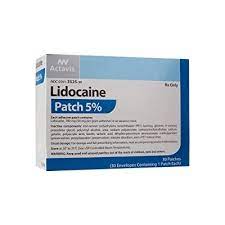
Lidoderm patch is a transdermal patch that is used to relieve pain caused by shingles (herpes zoster). The active ingredient in this patch is Lidocaine, which is a local anesthetic. The patch works by numbing the area where it is applied and providing relief from pain.
Uses
Lidoderm patch is primarily used for the treatment of shingles. Shingle is a viral infection that affects the nervous system and causes a painful rash, blisters, and a burning sensation. The patch is used to provide relief from the pain caused by shingles. The patch is applied directly to the affected area and left in place for 12 hours.
It may also be used for the treatment of neuropathic pain caused by other conditions, such as diabetic neuropathy, post-herpetic neuralgia, and other types of nerve pain.
Benefits
One of the significant benefits of using a Lidoderm patch is that it provides on-site pain relief. The transdermal patch is easy to apply and stays in place for 12 hours, providing long-lasting relief from pain. It is useful for patients who cannot tolerate oral medication due to side effects or who need localized pain relief.
Lidoderm patch is also a convenient therapy option, as it does not require the use of needles or invasive procedures for their application. The patch can be conveniently used at home, maintaining the patient’s comfort and privacy.
Side Effects
The lidoderm patch is generally well-tolerated and has demonstrated limited side effects. However, like any other drug, it may cause some side effects, such as mild skin irritation, itching, swelling, or redness at the application site. Serious side effects are rare but may include severe allergic reactions like hives, difficulty breathing, and rapid heartbeat.
It is essential to notify your doctor immediately if any of these symptoms are present during the use of a Lidoderm patch. In rare cases, a Lidoderm patch can cause severe skin reactions that may require medical attention.
Warnings
Before using a Lidoderm patch, it is crucial to notify your doctor of any medications you are currently taking, including over-the-counter medications, herbal supplements, or vitamins. Some drugs can increase the risk of the Lidoderm patch’s side effects or reduce its effectiveness.
It is also important to inform your healthcare provider of any pre-existing medical conditions, allergies, or history of liver, heart, or kidney disease. The lidoderm patch is not suitable for pregnant women or breastfeeding mothers unless directed by a doctor.
FAQs
No, you should not use the Lidoderm patch if you are allergic to Lidocaine or any other ingredients in the patch.
No, you should not use the Lidoderm patch if you are allergic to Lidocaine or any other ingredients in the patch.
A lidoderm patch is not recommended for use during pregnancy.
Lidoderm patches may be used for neuropathic pain caused by diabetic neuropathy, post-herpetic neuralgia, and other types of nerve pain.
The onset of pain relief usually takes place within an hour of applying the patch. The relief lasts for 12 hours, after which the patch is removed, and a new one applied.