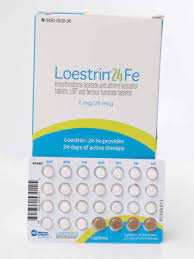
Loestrin is a combination of hormones, ethinyl estradiol, and norethindrone acetate, that is used as a birth control pill to prevent pregnancy. The hormonal balance controls the menstrual cycle and prevents the release of an egg from the ovaries.
Loestrin is an effective contraceptive method, but like all medication, it has benefits, side effects, and warnings that need to be considered.
Uses
Loestrin is primarily used as a contraceptive to prevent unwanted pregnancy. The pill works by preventing the release of an egg from the ovaries and thickening the cervical mucus, making it difficult for the sperm to reach the egg.
Loestrin also helps regulate irregular menstrual cycles and minimizes painful periods. In some cases, it is also used as a hormone replacement therapy to combat menopausal symptoms.
Benefits
One of the main advantages of Loestrin is that it is highly effective at preventing pregnancy, with a success rate of around 99%. Additionally, Loestrin is known to help reduce the risk of ovarian and endometrial cancers.
Loestrin can also improve the symptoms of premenstrual syndrome (PMS), acne, and regulate irregular periods. It does not interfere with sexual activity, and its use doesn’t require significant adjustments to a woman’s daily routine.
Side Effects
Side effects associated with the use of Loestrin are mostly mild and well-tolerated. These side effects may include:
– Headaches
– Nausea
– Vomiting
– Breast tenderness
– Weight gain or weight loss
– Mood changes
– Irregular spotting or bleeding
– Decreased libido
– Blood clotting
Some women may develop serious complications when using Loestrin, such as:
– Chest pain
– Difficulty breathing
– Severe headaches or migraines
– Vision problems
If any of these symptoms occur, stop taking Loestrin immediately and seek medical attention.
Warnings
Loestrin is not recommended for women with certain medical conditions, such as:
– Blood clots
– Liver or kidney disorders
– Heart problems
– History of stroke or heart attack
– High blood pressure
– Breast cancer
– Diabetes
Loestrin can also interact negatively with other medications, including antibiotics, antifungal drugs, and St. John’s Wort.
It is essential to inform your doctor of your medical history and any medications you’re taking before starting Loestrin.
conclusion
In conclusion, Loestrin is a reliable contraceptive for preventing pregnancy and regulating menstruation. While it has some mild side effects, the benefits outweigh the risks. Women with certain medical conditions should avoid taking Loestrin without consulting their doctor. It is also essential to inform your doctor of any medications you’re taking.
FAQs
If you missed a pill, take it as soon as you remember. If it’s been more than 24 hours since the last pill you took, take two tablets the next day. Ensure that you use a backup contraceptive method for the next seven days.
Low dose estrogen birth control pills like Loestrin are known to improve acne in many women.
While Loestrin is an effective contraceptive method, there is still a slight chance of pregnancy. Factors like missed doses and interactions with other medications can reduce its effectiveness.
Loestrin becomes effective after seven days of consistent use. It is advisable to use a backup contraceptive method in the first seven days after starting the medication.
No. Loestrin is not intended for use as an emergency contraceptive. If you require emergency contraception, consult your doctor for alternatives.