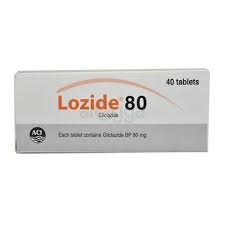
Lozide is a diuretic medication that helps the body to eliminate excess water and salt through the urine. It is primarily used to treat high blood pressure or hypertension. The active ingredient in Lozide is indapamide, which works by inhibiting the reabsorption of sodium and chloride ions in the kidneys. This increases the amount of urine produced, which in turn lowers blood pressure. In this article, we will explore the uses, benefits, side effects, and warnings of Lozide.
Uses
Lozide is primarily prescribed to treat hypertension. It works by removing excess fluid from the body and reducing the workload on the heart. Lozide may also be used in the treatment of other conditions such as edema or fluid retention caused by heart failure, cirrhosis of the liver, or kidney disease. In addition, Lozide may be used in combination with other medications to treat congestive heart failure.
Benefits
The primary benefit of Lozide is that it helps to lower blood pressure. This can reduce the risk of heart attack, stroke, and other cardiovascular diseases. In addition, Lozide can help to reduce swelling or edema caused by fluid retention. This can improve breathing, reduce discomfort, and improve overall quality of life in patients with heart failure, cirrhosis of the liver, or kidney disease.
Side Effects
Like all medications, Lozide can cause side effects. The most common side effects include:
- Dizziness
- Nausea
- Headache
- Dry mouth
- Weakness
- Fatigue
- Increased urination
- Low potassium levels
In rare cases, Lozide may cause more serious side effects such as:
- Chest pain
- Fainting
- Seizures
- Jaundice
- Severe skin rash or itching
- Difficulty breathing or swallowing
If you experience any of these side effects, you should immediately seek medical attention.
Warnings
Before taking Lozide, it is important to inform your doctor of any medical conditions you have. Lozide may interact with other medications you are taking or worsen pre-existing medical conditions. In addition, Lozide can cause dehydration, so it is important to drink plenty of fluids while taking this medication.
Lozide should not be taken by pregnant or breastfeeding women, as it may harm the developing fetus or nursing infant. If you are planning on becoming pregnant or are currently pregnant, speak with your doctor before taking Lozide.
Lozide may also interact with other medications, including:
- Nonsteroidal anti-inflammatory drugs (NSAIDs)
- Steroid medications
- Lithium
- Digoxin
- Cholestyramine
Always inform your doctor of any medications you are taking before starting Lozide.
FAQs
- What should I do if I miss a dose of Lozide?
If you miss a dose of Lozide, take it as soon as you remember. However, if it is almost time for your next dose, skip the missed dose and continue with your regular dosing schedule.
- Can Lozide be taken with food?
Lozide can be taken with or without food.
- What should I do if I overdose on Lozide?
If you suspect an overdose of Lozide, contact your local poison control center or emergency department immediately.
- Can Lozide cause low blood sugar?
No, Lozide does not affect blood sugar levels.
- How long does it take for Lozide to start working?
Lozide typically starts working within 1-2 hours of taking the first dose.
conclusion
In conclusion, Lozide is a diuretic medication that is primarily used to treat hypertension and reduce fluid retention caused by other medical conditions. While it can be effective in treating these conditions, it is important to be aware of the potential side effects and warnings associated with this medication. Always inform your doctor of any medical conditions or medications you are taking before starting Lozide.