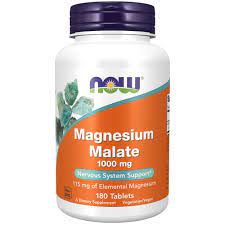
Magnesium malate is a supplement that combines magnesium with malic acid. It is commonly used to correct magnesium deficiencies and provide numerous health benefits. In this article, we will explore the uses, benefits, side effects, and warnings associated with magnesium malate.
Uses
Magnesium malate is primarily used to supplement magnesium intake in cases of deficiency. Magnesium is an essential mineral involved in numerous bodily processes, including muscle function, nerve transmission, energy production, and the synthesis of DNA and proteins. Therefore, magnesium deficiency can lead to various health issues, such as muscle cramps, fatigue, irregular heartbeat, and even depression.
By taking magnesium malate supplements, individuals can effectively increase their magnesium levels and alleviate associated symptoms. Additionally, magnesium malate is also used in the treatment of conditions like fibromyalgia and chronic fatigue syndrome, as malic acid has been found to improve energy production and reduce muscle pain.
Benefits
There are several benefits associated with the use of magnesium malate:
- Improved Energy Levels: Malic acid helps boost energy production by participating in the Krebs cycle, a crucial step in cellular respiration. By taking magnesium malate, individuals may experience increased energy levels and reduced fatigue.
- Muscle Relaxation: Magnesium is essential for muscle relaxation. Supplementing with magnesium malate can alleviate muscle cramps and spasms, promoting overall muscle health.
- Improved Sleep: Magnesium has a calming effect on the nervous system, which can help individuals achieve better quality sleep. Magnesium malate can be beneficial for individuals suffering from insomnia or having difficulty falling asleep.
- Healthy Bones: Magnesium plays a vital role in bone health by promoting calcium absorption and balancing hormone levels. Regular intake of magnesium malate can contribute to maintaining strong and healthy bones.
- Mood Enhancement: Magnesium is known to have a positive impact on mental health. By regulating neurotransmitters and reducing stress levels, magnesium malate may effectively improve mood and reduce symptoms of depression or anxiety.
Side Effects
While magnesium malate is generally safe when taken as directed, some individuals may experience mild side effects, including:
- Diarrhea
- Abdominal cramping
- Nausea
- Upset stomach
If these side effects persist or become severe, it is advised to consult a healthcare professional.
Warnings
Although magnesium malate is generally safe, it is important to consider the following warnings:
- Pregnancy and Breastfeeding: Pregnant or breastfeeding women should consult their healthcare provider before using magnesium malate supplements.
- Medical Conditions: Individuals with kidney problems or other chronic illnesses should consult a healthcare professional before using magnesium malate.
- Interactions: Magnesium malate may interact with certain medications, such as antibiotics, diuretics, and medications for osteoporosis. It is essential to discuss potential interactions with a healthcare provider or pharmacist.
FAQs
Here are some frequently asked questions about magnesium malate:
While there is no direct scientific evidence to support this claim, magnesium supplementation has been found to potentially reduce the frequency and severity of migraines in some individuals. It is advisable to consult a healthcare professional before using magnesium malate for migraine relief.
Yes, magnesium malate can generally be taken with other supplements. However, it is always recommended to consult a healthcare professional to ensure safe and proper supplementation.
The recommended daily dosage of magnesium malate varies depending on individual needs and health conditions. It is best to follow the instructions provided by the manufacturer or consult a healthcare professional for personalized dosage guidance.
Magnesium malate is not found naturally in foods, as it is a supplement specifically formulated to combine magnesium with malic acid. However, there are various dietary sources of magnesium, including leafy greens, nuts, whole grains, and legumes.
Some evidence suggests that magnesium malate may help reduce symptoms associated with fibromyalgia, such as muscle pain and fatigue. However, it is important to consult a healthcare professional for individualized advice and treatment options.