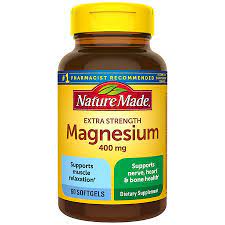
Magnesium oxide is a mineral supplement used for various health purposes. It is derived from magnesium, a vital mineral that plays a crucial role in various bodily functions. This article will explore the uses, benefits, side effects, and warnings associated with magnesium oxide.
For a similar product, see our guide to Taurine B6 Mag Potass Chl Hb34.
Uses
Magnesium oxide is commonly used to treat and prevent magnesium deficiency in the body. It is important to maintain adequate magnesium levels as it is essential for the proper functioning of nerves, muscles, and overall health. Some of the key uses of magnesium oxide include:
- Muscle relaxation: Magnesium oxide acts as a muscle relaxant and is helpful in relieving muscle cramps, spasms, and tension. It can also be beneficial for athletes and individuals recovering from physical exertion.
- Constipation: It has a mild laxative effect that can provide relief from constipation. Magnesium oxide helps soften the stool and promotes regular bowel movements.
- Heartburn: The antacid properties of magnesium oxide make it a popular remedy for heartburn and indigestion. It neutralizes stomach acid and provides quick relief from discomfort.
- High blood pressure: Some studies suggest that magnesium oxide can help lower blood pressure levels, particularly in individuals with hypertension. It may help relax blood vessels and improve overall heart health.
- Migraine prevention: Magnesium oxide has been found to reduce the frequency and severity of migraines. It is believed to have a calming effect on nerves and blood vessels, alleviating migraine symptoms.
Benefits
Regular consumption of magnesium oxide can offer several benefits to your health. Some notable benefits include:
- Better bone health: Magnesium is essential for maintaining strong and healthy bones. It aids in calcium absorption and contributes to bone density, reducing the risk of fractures and osteoporosis.
- Improved sleep: Magnesium oxide has calming properties that can help relax the body and mind, promoting a restful night’s sleep. It plays a crucial role in the production of hormones that regulate sleep.
- Mood enhancement: Adequate levels of magnesium can positively impact mood and reduce symptoms of depression and anxiety. It supports the production of serotonin, a neurotransmitter responsible for mood regulation.
- Healthy cardiovascular system: Magnesium oxide may help lower the risk of cardiovascular diseases by supporting heart function, maintaining healthy blood pressure levels, and preventing arterial calcification.
- Enhanced exercise performance: Magnesium is involved in energy production and muscle function, making it essential for athletes and physically active individuals. Regular intake of magnesium oxide can improve endurance and reduce muscle fatigue.
Side Effects
While magnesium oxide offers numerous health benefits, it may also cause some side effects in certain individuals. It is important to be aware of the following:
- Gastrointestinal disturbances: Some individuals may experience diarrhea, stomach cramps, or an upset stomach due to the laxative effect of magnesium oxide. Adjusting the dosage can often help alleviate these symptoms.
- Nausea and vomiting: In rare cases, high doses of magnesium oxide may lead to nausea and vomiting. If you experience these symptoms, it is recommended to consult a healthcare professional.
- Low blood pressure: Excessive intake of magnesium oxide could potentially cause a drop in blood pressure. People with low blood pressure should be cautious and seek medical advice before taking magnesium oxide supplements.
- Drug interactions: Magnesium oxide may interact with certain medications, including antibiotics, diuretics, and blood thinners. It is essential to inform your healthcare provider about all medications you are taking to avoid any potential complications.
Warnings
While generally considered safe for most individuals, magnesium oxide should be used with caution under certain circumstances:
- Pregnancy and breastfeeding: Pregnant and breastfeeding women should consult their doctor before taking magnesium oxide supplements, as it can affect certain aspects of pregnancy and breastfeeding.
- Kidney problems: Individuals with kidney problems should avoid excessive intake of magnesium oxide, as it can potentially worsen kidney function. Consulting a healthcare professional is recommended.
- Allergic reactions: Some individuals may be allergic to magnesium oxide. If you experience any signs of an allergic reaction, such as rash, itching, or swelling, immediately seek medical assistance.
FAQs
Yes, magnesium oxide is generally available as an over-the-counter supplement. However, it is advisable to consult a healthcare professional before starting any new supplementation.
The recommended dosage varies depending on age, sex, and the purpose of supplementation. It is best to follow the instructions on the product label or consult a healthcare professional for personalized advice.
The effects of magnesium oxide can vary among individuals. Some people may experience improvements within a few days, while others may require several weeks of regular intake to notice any significant changes.
Yes, magnesium oxide may interact with certain supplements, including iron, calcium, and zinc. It is recommended to space out the intake of different supplements to avoid any potential interactions.
Magnesium oxide can be used for children, but it is advisable to consult a pediatrician before administering any supplements to children. The appropriate dosage for children may differ from adults.
In conclusion, magnesium oxide is a versatile mineral supplement that offers several health benefits. It can aid muscle relaxation, relieve constipation, improve heart health, and contribute to better sleep. However, it is essential to be aware of potential side effects and warnings associated with its usage. If you have any concerns or questions, always consult a healthcare professional for personalized advice.