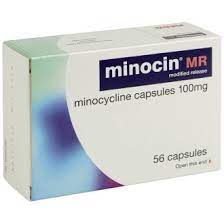
Minocin is a prescription medication that belongs to the tetracycline antibiotics family. It is commonly used to treat various bacterial infections, including acne vulgaris, respiratory infections, and sexually transmitted diseases. This article will explore Minocin’s uses, benefits, side effects, and warnings.
Uses
Minocin is a broad-spectrum antibiotic that effectively treats bacterial infections caused by susceptible organisms. It inhibits the growth of bacteria by preventing protein synthesis, which is necessary for bacterial survival. Minocin is used to treat the following infections:
1. Acne vulgaris: Minocin is a popular treatment for moderate to severe acne vulgaris. It reduces inflammation and controls acne bacteria.
2. Respiratory infections: Minocin is used to treat respiratory infections such as pneumonia, bronchitis, and sinusitis. It is also effective in treating infections of the urinary tract and sexually transmitted infections such as chlamydia.
3. Rheumatoid arthritis: Minocin is also used to treat rheumatoid arthritis.
Benefits
Minocin has several benefits, making it a popular and effective antibiotic for treating bacterial infections. Some of the benefits include:
1. Effective against a broad range of bacteria: Minocin is effective against many types of bacteria, making it an ideal antibiotic for treating many bacterial infections.
2. Fast acting: Minocin gets to work quickly, making it a swift solution for acute infections.
3. Safe for long-term use: Minocin is safe for long-term use and can be used for months and even years.
4. Convenient dosing: Minocin is available in different forms, including tablets and capsules, making it easy to dose and take for patients.
Side Effects
Like any other antibiotic, Minocin has some side effects that patients may experience. The following side effects are the most common:
1. Nausea and vomiting: Patients may experience nausea and vomiting when taking Minocin.
2. Dizziness: Patients may experience dizziness when taking Minocin.
3. Diarrhea: Patients may experience diarrhea, which may be severe in some cases.
4. Stomach upset: Minocin may cause stomach upset, including abdominal pain and bloating.
5. Skin reactions: Patients may experience skin reactions such as itching, rash, and redness.
Warnings
Before taking Minocin, patients should consider the following warnings:
1. Allergic reactions: Patients should not take Minocin if they are allergic to tetracycline antibiotics.
2. Pregnancy and breastfeeding: Minocin should not be used by pregnant or breastfeeding women as it may cause harm to the fetus or infant.
3. Dental problems: Minocin may cause dental problems, including tooth discoloration, enamel hypoplasia, and gum hyperplasia.
4. Liver and kidney damage: Minocin use may cause liver and kidney damage, especially with long-term use.
5. Photosensitivity: Patients taking Minocin should avoid prolonged exposure to sunlight and ultraviolet light as it may cause sunburn and skin damage.
FAQs
Minocin works by inhibiting the synthesis of bacterial proteins, which are necessary for bacterial growth and replication.
Minocin starts working within 24 to 48 hours after administration.
Minocin can be taken with or without food. However, taking it on an empty stomach may enhance its absorption.
Minocin may cause harm to the baby during pregnancy and should not be used by pregnant women. It may also cause harm to nursing infants and should, therefore, be avoided by breastfeeding mothers.
Minocin is safe for long-term use and is often used for months and even years to treat certain conditions. However, patients should be monitored for potential side effects, including liver and kidney damage.