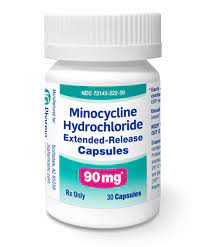
Uses
Minocycline is a medication that belongs to a group of drugs known as tetracycline antibiotics. It is commonly prescribed to treat various bacterial infections, such as urinary tract infections, respiratory infections, acne, and certain sexually transmitted diseases. Minocycline works by inhibiting the growth and spread of bacteria, providing relief from the symptoms caused by these infections.
The branded version is covered separately in our guide to Solodyn.
Benefits
This medication offers several benefits to patients suffering from bacterial infections. Minocycline is highly effective against a wide range of bacteria, making it a versatile treatment option. It is readily absorbed by the body, allowing for fast action and quick symptom relief. Additionally, minocycline can be taken with or without food, making it convenient for patients with different dietary preferences.
Side Effects
Like all medications, minocycline may cause certain side effects, although not everyone experiences them. Common side effects include nausea, vomiting, diarrhea, dizziness, and drowsiness. These side effects are typically mild and temporary. However, some individuals may experience more severe side effects, such as severe headaches, blurred vision, fever, or persistent stomach pain. It is important to consult a healthcare professional if any severe side effects occur.
Warnings
Minocycline may not be suitable for everyone, and certain precautions need to be taken. Individuals with a history of kidney or liver disease should inform their doctor before taking this medication. Additionally, minocycline can cause increased sensitivity to sunlight, so it is essential to use sunscreen and wear protective clothing when outdoors. Pregnant women and nursing mothers should also consult with their healthcare provider before using minocycline, as it may pose a risk to the developing fetus or baby.
FAQs
Yes, minocycline is commonly prescribed to treat acne. It helps reduce inflammation and kill the bacteria responsible for acne breakouts. It is important to take the medication as directed by a healthcare professional and to complete the full course of treatment.
No, there are no specific dietary restrictions associated with minocycline. However, it is generally recommended to take the medication with a full glass of water and to avoid taking it with dairy products, calcium supplements, or antacids, as they can affect its absorption.
No, minocycline is only effective against bacterial infections. It does not work against viruses, such as the common cold or the flu. It is essential to consult a healthcare professional for proper diagnosis and treatment of viral infections.
Yes, minocycline may interact with certain medications, including antacids, iron supplements, blood thinners, and oral contraceptives. It is crucial to inform the healthcare provider about all medications, including over-the-counter drugs and herbal supplements, before starting minocycline to avoid potential interactions.
The onset of action of minocycline may vary depending on the condition being treated. In some cases, symptom relief may be noticed within a few days of starting the medication, while for other conditions, it may take a couple of weeks to see significant improvement. It is important to continue taking the medication as prescribed and to follow up with a healthcare professional if symptoms persist.