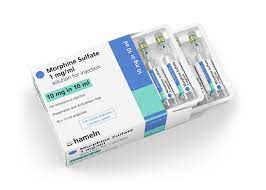
Morphine injection is a potent medication used for the treatment of severe pain. It belongs to a class of drugs known as opioids and works by binding to certain receptors in the brain and spinal cord, effectively reducing the sensation of pain. This article will provide an overview of the uses, benefits, side effects, and warnings associated with morphine injection.
Uses
Morphine injection is primarily used to manage severe pain that cannot be effectively controlled with other pain medications. It is commonly administered in hospitals or healthcare settings, particularly following surgeries, severe injuries, or during labor. It is also prescribed for cancer patients experiencing excruciating pain.
Benefits
The main benefit of morphine injection is its ability to provide rapid and potent pain relief. When administered correctly, it can alleviate intense pain effectively, improving the patient’s comfort and quality of life. Morphine injection can also induce sedation, which can be beneficial in certain medical procedures or situations where relaxation is required.
Side Effects
As with any medication, morphine injection can cause side effects. Common side effects include drowsiness, constipation, nausea, vomiting, dizziness, and sweating. These effects are typically temporary and subside as the body adjusts to the medication. However, if these side effects persist or worsen, it is important to inform your healthcare provider.
More serious side effects may occur, although they are less common. These can include shallow or slow breathing, chest pain, confusion, hallucinations, severe drowsiness, and difficulty urinating. If any of these symptoms occur, immediate medical attention should be sought.
Warnings
While morphine injection can be highly effective in managing pain, it is important to be aware of certain precautions and warnings associated with its use. It should not be used by individuals with a known allergy to morphine or other opioids. Additionally, it is crucial to inform your healthcare provider about any existing medical conditions, especially respiratory conditions, kidney or liver disease, or a history of substance abuse.
Morphine injection may interact with other medications, such as sedatives, tranquilizers, or antidepressants, which can enhance the sedative effects and potentially lead to respiratory depression. It is vital to provide a comprehensive list of all medications, including over-the-counter drugs and herbal supplements, to your healthcare provider before receiving morphine injection.
Pregnant women should exercise caution when considering the use of morphine injection, as it can potentially harm the unborn baby. It is important to discuss the risks and benefits with a healthcare professional before using this medication during pregnancy.
FAQs
Morphine injection is primarily intended for short-term use in acute and severe pain management. Chronic pain is typically managed with oral or long-acting formulations of morphine or alternative medications.
Morphine injection typically starts working within minutes of administration, providing rapid pain relief.
As an opioid medication, morphine injection carries a risk of dependence and addiction. It is crucial to follow the prescribed dosage and duration and to discuss any concerns with a healthcare professional.
No, morphine injection is typically administered in a healthcare setting under the supervision of a healthcare professional.
Yes, there are several alternative pain medications available, including non-opioid options such as nonsteroidal anti-inflammatory drugs (NSAIDs), acetaminophen, and certain nerve pain medications. Your healthcare provider can help determine the most suitable option for your specific situation.