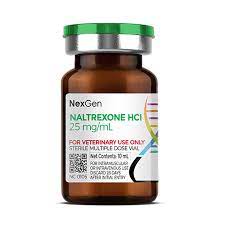
Naltrexone is a medication used to treat alcohol and opioid dependence. It works by blocking the effects of opioids in the brain, thereby reducing the craving for alcohol and opioids. This article provides an overview of the uses, benefits, side effects, and warnings associated with Naltrexone.
Uses
Naltrexone is primarily used to treat alcohol dependence. It helps individuals who have stopped drinking to remain sober by preventing them from experiencing the pleasurable effects of alcohol. The medication is commonly used in conjunction with other forms of therapy and support to provide a comprehensive treatment approach.
In addition to alcohol dependence, Naltrexone can also be used to treat opioid dependence. It blocks the effects of opioids, such as heroin or prescription pain medications, relieving the physical cravings and reducing the risk of relapse.
Benefits
Naltrexone offers several benefits for individuals struggling with alcohol or opioid dependence. By blocking the pleasurable effects of alcohol, it helps reduce the desire to drink and decreases the likelihood of relapse. It can also reduce the intensity of cravings for opioids, assisting individuals in maintaining abstinence and avoiding withdrawal symptoms.
Additionally, Naltrexone has been shown to reduce alcohol-related liver inflammation, improving liver function in patients with alcohol dependence. It can also reduce the risk of opioid overdose by blocking the effects of opioids, making it a valuable tool in harm reduction strategies.
Side Effects
As with any medication, Naltrexone can have side effects. Common side effects include nausea, headache, dizziness, and fatigue. These side effects are usually mild and temporary, dissipating after a short period of time.
In some cases, more severe side effects may occur, such as liver damage or allergic reactions. If you experience any unusual symptoms or severe side effects, it is crucial to seek medical help right away.
Warnings
Before taking Naltrexone, it is important to discuss your medical history with your healthcare provider. Certain medical conditions, such as liver disease or kidney problems, may affect the suitability and dosage of the medication. Naltrexone should also be used cautiously in individuals with a history of self-harm or who are currently using opioids.
It is important to note that Naltrexone is not suitable for everyone. Pregnant women, individuals with acute hepatitis or liver failure, or those with an allergy to Naltrexone should not take this medication. It is crucial to follow your healthcare provider’s instructions and carefully consider any potential risks or contraindications.
FAQs
No, while taking Naltrexone, it is important to abstain from alcohol. Naltrexone blocks the effects of alcohol, and consuming alcohol while on the medication can lead to potentially dangerous reactions.
No, Naltrexone is not addictive. It does not produce euphoria or dependence when used as prescribed.
If you miss a dose of Naltrexone, take it as soon as you remember. However, if it is close to the time for your next dose, skip the missed dose and continue with your regular dosing schedule. Do not double the dose to make up for a missed one.
Naltrexone is most effective when used alongside other forms of therapy, such as counseling or support groups. It is typically part of a comprehensive treatment approach for alcohol or opioid dependence.
Naltrexone does not have significant interactions with most foods or medications. However, it is always important to inform your healthcare provider about all medications, vitamins, or herbal supplements you are taking to ensure they do not interact negatively with Naltrexone.