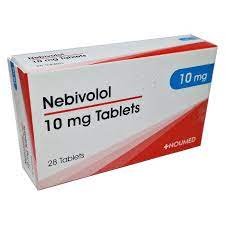
Nebivolol is a medication that belongs to the class of drugs known as beta blockers. It is commonly prescribed by healthcare professionals to treat certain cardiovascular conditions, such as high blood pressure, heart failure, and chest pain (angina). This article aims to provide a comprehensive overview of nebivolol, discussing its uses, benefits, side effects, and important warnings.
Uses
Nebivolol is primarily prescribed to manage hypertension. By blocking the action of certain natural substances in the body, nebivolol helps to relax blood vessels, thereby lowering blood pressure. As a result, it reduces the chances of heart attacks, strokes, and kidney problems caused by high blood pressure.
In addition to its use in hypertension management, nebivolol is also prescribed for individuals who suffer from chronic heart failure. It improves the heart’s ability to pump blood effectively, relieving symptoms such as shortness of breath and fatigue, and decreasing the risk of hospitalization.
Furthermore, nebivolol may be utilized as a treatment for angina, a condition characterized by chest pain or discomfort caused by reduced blood flow to the heart. By decreasing the workload of the heart, nebivolol can help alleviate the symptoms of angina and improve overall heart function.
Benefits
Nebivolol provides numerous benefits for individuals with hypertension, heart failure, and angina. Some of the key advantages of this medication include:
- Lowering blood pressure: Nebivolol helps to reduce high blood pressure, preventing potential complications such as heart attacks and strokes.
- Improved heart function: By enhancing the heart’s pumping ability, nebivolol significantly improves symptoms and quality of life for patients with chronic heart failure.
- Reduced chest pain: Nebivolol helps alleviate angina symptoms by decreasing the cardiac workload and enhancing blood flow to the heart.
- Decreased hospitalization risk: For individuals with heart conditions, nebivolol helps to minimize the likelihood of hospital admissions due to exacerbation of heart failure symptoms.
- Tolerance: Nebivolol is generally well-tolerated by most patients, increasing adherence to treatment plans and improving long-term outcomes.
Side Effects
As with any medication, it is important to be aware of potential side effects associated with nebivolol. While not all individuals may experience them, some common side effects may include:
- Fatigue or tiredness
- Dizziness or lightheadedness
- Headaches
- Shortness of breath
- Stomach upset
- Nausea
- Dry mouth
Less commonly, individuals may experience more serious side effects, such as:
- Difficulty breathing
- Swelling of the hands or feet
- Rapid weight gain
- Skin rash or itching
- Mental or mood changes
- Unusual bleeding or bruising
If any of these severe side effects occur, it is crucial to seek immediate medical attention.
Warnings
Prior to initiating treatment with nebivolol, certain precautions should be considered:
- Allergies: Individuals with known allergies to nebivolol or any other beta blockers should avoid using this medication.
- Asthma and breathing problems: Nebivolol may worsen respiratory conditions, so caution should be exercised in patients with asthma or other breathing disorders.
- Heart conditions: Patients with certain heart conditions, such as heart block or slower heart rates, should consult their healthcare professional before starting nebivolol treatment.
- Diabetes: Nebivolol can mask symptoms of low blood sugar, making it important for diabetic patients to closely monitor their blood sugar levels.
- Surgery: It is crucial to inform surgeons about nebivolol usage prior to any scheduled surgery, as it may interact with certain anesthetics.
It is essential to follow the prescribed dosage and consult a healthcare professional for any concerns or questions regarding the use of nebivolol.
FAQs (Frequently Asked Questions)
No, it is important to gradually reduce the dose under medical supervision to avoid potential adverse effects on heart function.
If you miss a dose, take it as soon as you remember. However, if it is close to the next scheduled dose, skip the missed dose and continue with the regular dosing schedule.
There are no specific dietary restrictions associated with nebivolol. However, it is important to maintain a balanced diet and follow any recommendations provided by your healthcare professional.
It is advisable to limit alcohol consumption as it may amplify certain side effects, such as dizziness or lightheadedness.
If you experience symptoms of an allergic reaction (e.g., difficulty breathing, swelling, rash) or any severe side effects, seek immediate medical attention.
Remember, this article provides general information and should not replace professional medical advice. Always consult your healthcare provider for personalized guidance regarding your medication and treatment plan.