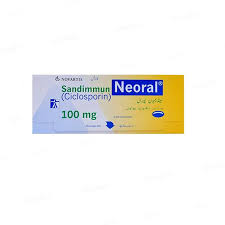
Neoral, also known as cyclosporine, is an immunosuppressive medication used to treat a variety of conditions. It was first approved by the U.S. Food and Drug Administration (FDA) in 1983 and has since become a commonly prescribed medication. In this article, we’ll take a closer look at Neoral and its uses, benefits, side effects, and warnings.
Uses
Neoral is primarily used to prevent organ rejection in patients who have received kidney, liver, or heart transplants. It works by suppressing the immune system, which helps to prevent the body from attacking the transplanted organ. In addition to transplant recipients, Neoral is also used to treat a range of autoimmune diseases, including rheumatoid arthritis, psoriasis, and Crohn’s disease. It is sometimes prescribed off-label to treat other conditions, such as eczema.
Benefits
For transplant recipients, Neoral helps to increase the chances of a successful transplant by preventing the body from attacking the transplanted organ. Patients who take Neoral to treat autoimmune diseases often experience a reduction in symptoms such as joint pain and skin rashes. In addition, some studies have suggested that Neoral may have anti-inflammatory properties and could potentially be used to treat other inflammatory conditions.
Side Effects
Like all medications, Neoral can cause side effects. Some of the most common side effects include:
- Headache
- Nausea
- Vomiting
- Increased hair growth
- Tremors
- Hypertension (high blood pressure)
More serious side effects can occur, although they are less common. These include kidney damage, liver damage, and an increased risk of infection. It is important to speak with a doctor if you experience any side effects while taking Neoral.
Warnings
There are several important warnings associated with Neoral. Patients should not take this medication if they are allergic to cyclosporine or any of its ingredients. Neoral should also be used with caution in patients with a history of liver or kidney disease. Additionally, Neoral can interact with other medications, such as antibiotics and antifungal medications, so it is important to speak with a doctor about all medications you are taking before starting Neoral.
Finally, Neoral can increase the risk of developing certain types of cancer, such as lymphoma and skin cancer. Patients taking Neoral should be monitored closely for signs of cancer and should speak with a doctor if they notice any unusual symptoms.
FAQs
Neoral works by suppressing the immune system, which prevents the body from attacking a transplanted organ or attacking its own tissues in autoimmune diseases.
Neoral is usually taken orally, either with or without food. The dosage and frequency of the medication will depend on the patient’s condition and other factors.
The timeline for Neoral to take effect depends on the patient’s condition. In some cases, patients may begin to see an improvement in symptoms within a few weeks of starting the medication.
Neoral should not be used during pregnancy unless the benefits outweigh the risks. It is important to speak with a doctor if you are pregnant or planning to become pregnant while taking Neoral.
Neoral can interact with other medications, so it is important to speak with a doctor about all medications you are taking before starting Neoral. This includes prescription medications, over-the-counter medications, and herbal supplements.






.)