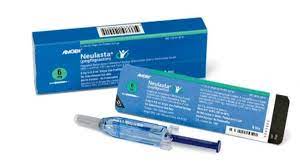
Uses:
Neulasta is a medication that belongs to a class of drugs known as granulocyte colony-stimulating factors (G-CSFs). It is primarily used to prevent infections in patients undergoing cancer treatment, particularly chemotherapy. Neulasta works by stimulating the production of white blood cells in the bone marrow, which are crucial for fighting off infections.
Benefits:
The main benefit of Neulasta is its ability to reduce the risk of infections in cancer patients undergoing chemotherapy. By increasing the production of white blood cells, it boosts the body’s immune system, allowing patients to better combat infections. This can help prevent treatment delays or interruptions, enabling patients to complete their chemotherapy as planned.
Side Effects:
Like any medication, Neulasta can cause side effects. The most common side effect of Neulasta is bone pain, which is experienced by a majority of patients. Other common side effects include fatigue, muscle pain, headache, and nausea. These side effects are usually mild and temporary, subsiding on their own within a few days. It is important to report any severe or persistent side effects to your healthcare provider.
Warnings:
Before using Neulasta, it is important to discuss your medical history with your doctor. Inform them of any allergies you have, especially to medications similar to Neulasta. Neulasta may not be suitable for patients with certain medical conditions, such as autoimmune disorders or acute respiratory distress syndrome. Additionally, Neulasta should not be taken by pregnant or breastfeeding women unless advised by a healthcare professional.
FAQs:
Neulasta is typically administered as a single injection. The exact frequency and dosage will be determined by your doctor based on your specific condition and treatment plan.
Neulasta can be administered at a healthcare facility or at home, depending on the individual’s preference and healthcare provider’s guidance. Detailed instructions on self-administration should be provided by a healthcare professional.
Neulasta is primarily used for preventing infections in patients undergoing cancer treatment. Its effectiveness and safety for other conditions have not been extensively studied.
It is important to inform your doctor about all medications you are taking, including prescription, over-the-counter, and herbal supplements, as they may interact with Neulasta.
Neulasta starts working within 24 to 72 hours after administration, stimulating the production of white blood cells and aiding in infection prevention.
In conclusion, Neulasta is a medication commonly used to prevent infections in cancer patients undergoing chemotherapy. It stimulates the production of white blood cells, reducing the risk of infections. However, as with any medication, it is important to be aware of potential side effects and heed the warnings. Always consult your healthcare provider for personalized advice and guidance regarding Neulasta or any other medication.






