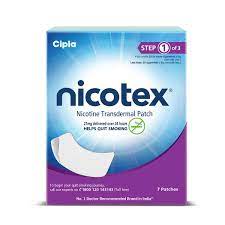
Nicotine transdermal is a medication that is used to help people quit smoking by reducing withdrawal symptoms and the urge to smoke. It is available in the form of a patch that is applied to the skin. In this article, we will explore the uses, benefits, side effects, and warnings associated with nicotine transdermal.
Uses
Nicotine transdermal is primarily used as a part of a comprehensive smoking cessation program. It helps individuals quit smoking by replacing the nicotine that is usually obtained from cigarettes. By providing a steady dose of nicotine through the skin, this medication helps reduce withdrawal symptoms such as irritability, anxiety, and cravings.
Benefits
The main benefit of nicotine transdermal is its effectiveness in helping individuals quit smoking. It has been shown to significantly increase the chances of successfully quitting smoking when used as part of a comprehensive smoking cessation program. By reducing withdrawal symptoms, it makes the process of quitting more manageable and increases the chances of long-term success.
Additionally, nicotine transdermal may also help individuals who are not ready to quit smoking completely but want to reduce their cigarette consumption. It can be used as a nicotine replacement therapy to gradually decrease the number of cigarettes smoked per day.
Side Effects
Like any medication, nicotine transdermal can cause side effects in some individuals. The most common side effects include skin irritation at the patch application site, such as redness, itching, or a burning sensation. These side effects are usually mild and go away on their own.
In rare cases, more serious side effects may occur, such as dizziness, rapid heartbeat, nausea, or difficulty breathing. If any of these symptoms persist or worsen, it is important to seek medical attention immediately.
Warnings
Nicotine transdermal should be used with caution in certain populations. It is not recommended for individuals under the age of 18, as its safety and effectiveness have not been established in this age group. Pregnant or breastfeeding women should also consult their healthcare provider before using nicotine transdermal.
Individuals with certain medical conditions, such as heart disease, high blood pressure, diabetes, or an overactive thyroid, should use nicotine transdermal under the guidance of a healthcare professional. The dosage may need to be adjusted or alternative treatments may be recommended.
It is important to note that nicotine transdermal is intended for short-term use as part of a smoking cessation program. Prolonged use may increase the risk of dependence on nicotine, and it is recommended to gradually reduce the dosage over time.
FAQs
Nicotine transdermal usually starts working within a few hours of applying the patch. However, it may take a few days to a week for the full effects to be felt.
It is not recommended to smoke while using nicotine transdermal. Smoking while using the patch can lead to an overdose of nicotine and increase the risk of side effects.
No, nicotine transdermal is specifically designed for individuals who smoke and want to quit. It should not be used by non-smokers or individuals who do not have nicotine dependence.
Yes, nicotine transdermal patches are designed to be water-resistant. You can shower, swim, or engage in other activities without worrying about the patch coming off.
No, it is not recommended to cut the nicotine patch in half. The patch is designed to release a controlled amount of nicotine over a specific period of time, and cutting it may disrupt the release mechanism. It is best to use the patch as directed by your healthcare provider.