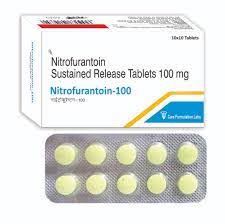
Nitrofurantoin is an antibiotic medication that is used to treat urinary tract infections caused by certain types of bacteria. It belongs to a class of drugs known as nitrofuran antibiotics and works by stopping the growth of bacteria in the urinary tract.
Uses
Nitrofurantoin is commonly prescribed to treat urinary tract infections, including cystitis, pyelonephritis, and urethritis. It is effective against a variety of bacteria, including E. coli, Enterococcus, Staphylococcus, Klebsiella, and Enterobacter species.
It is important to note that nitrofurantoin should not be used to treat other types of infections or viral illnesses, as it is specifically designed to target bacteria in the urinary tract.
Benefits
Nitrofurantoin is a widely used antibiotic for the treatment of urinary tract infections due to its effectiveness against common bacteria causing these infections. Its benefits include:
- High success rate in eradicating urinary tract infections
- Relatively low incidence of antibiotic resistance
- Low cost compared to other antibiotics
It is important to complete the full course of nitrofurantoin as prescribed by your healthcare provider, even if symptoms improve earlier. Failure to do so may result in the infection not being completely cleared, leading to potential recurrence and the development of antibiotic resistance.
Side Effects
As with any medication, nitrofurantoin can cause side effects, although not everyone experiences them. Common side effects of nitrofurantoin may include:
- Nausea and vomiting
- Loss of appetite
- Diarrhea
- Headache
- Dizziness
- Drowsiness
- Darkening of urine
In rare cases, more severe side effects may occur, such as severe allergic reactions, lung problems, liver problems, or blood disorders. If you experience any unusual or persistent side effects, it is important to seek medical attention immediately.
Warnings
Before taking nitrofurantoin, it is essential to inform your healthcare provider of any existing medical conditions, allergies, or medications you are currently taking. Some important warnings and precautions regarding nitrofurantoin include:
- Allergy: Inform your healthcare provider if you have had an allergic reaction to nitrofurantoin or any other antibiotic in the past. Allergic reactions may include rash, itching, swelling, severe dizziness, or difficulty breathing.
- Reduced kidney function: Nitrofurantoin is primarily eliminated through the kidneys, so it may not be suitable for individuals with reduced kidney function. Your healthcare provider may need to adjust the dosage or consider alternative treatment options.
- Pregnancy and breastfeeding: Nitrofurantoin can be used during pregnancy under the guidance of a healthcare professional. However, it should be avoided during the last month of pregnancy and while breastfeeding.
- Children: Nitrofurantoin may be used in children as prescribed by a healthcare provider. However, it is important to follow the recommended dosage and consult with a pediatric specialist.
FAQs
No, nitrofurantoin is specifically designed to target bacteria in the urinary tract and is not effective against respiratory infections.
No specific dietary restrictions are necessary with nitrofurantoin. However, it is always advisable to follow a healthy and balanced diet.
The symptoms of a urinary tract infection usually improve within a few days of starting nitrofurantoin. However, it is crucial to complete the full course of treatment as prescribed by your healthcare provider.
Nitrofurantoin does not interfere with the effectiveness of oral contraceptives. However, it is always recommended to consult with your healthcare provider regarding potential drug interactions.
Nitrofurantoin is not typically prescribed for the prevention of urinary tract infections. However, in certain cases, healthcare providers may recommend its use in individuals prone to recurrent infections.