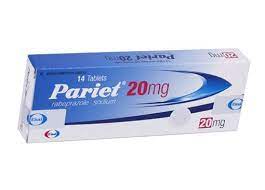
Pariet is a medication that belongs to a class of drugs known as proton pump inhibitors. This medication is primarily used to treat gastroesophageal reflux disease (GERD), a condition that causes acid reflux and heartburn. Pariet is also used to treat stomach ulcers, inflammation of the esophagus, and Zollinger-Ellison syndrome. Below are the uses, benefits, side effects, and warnings associated with this medication.
Uses
Pariet is commonly used to treat the following conditions:
1. Gastroesophageal reflux disease (GERD): This condition occurs when acid from the stomach flows back into the esophagus, causing heartburn and other symptoms. Pariet works by reducing the amount of acid produced in the stomach, which helps to relieve the symptoms of GERD.
2. Stomach ulcers: These are open sores that develop on the lining of the stomach. Pariet is used to treat both duodenal and gastric ulcers by decreasing the amount of acid in the stomach.
3. Inflammation of the esophagus: This condition is called esophagitis and it occurs when the lining of the esophagus becomes inflamed. Pariet helps to reduce the inflammation by reducing the amount of acid in the stomach.
4. Zollinger-Ellison syndrome: This is a rare condition that causes tumors to form in the pancreas and upper gastrointestinal tract. These tumors produce large amounts of acid, leading to ulcers and other complications. Pariet is used to reduce the amount of acid produced in the stomach, which can help to alleviate the symptoms of this condition.
Benefits
Pariet can provide several benefits to people suffering from the conditions mentioned above, including:
1. Relief from heartburn and acid reflux: Pariet reduces the amount of acid produced in the stomach, which can help to relieve the burning sensation associated with heartburn and acid reflux.
2. Faster healing of stomach ulcers: Pariet reduces the acidity of the stomach, which can help to promote the healing of stomach ulcers.
3. Reduced inflammation of the esophagus: Pariet can help to reduce the inflammation of the esophagus, which can result in less pain and discomfort.
4. Prevention of complications associated with Zollinger-Ellison syndrome: Pariet can help to reduce the amount of acid produced in the stomach, which can help to prevent complications such as ulcers and bleeding.
Side Effects
Like all medications, Pariet can cause side effects. Some of the most common side effects associated with this medication include:
1. Headache
2. Diarrhea
3. Nausea
4. Abdominal pain
5. Fatigue
6. Dizziness
7. Skin rash
8. Back pain
9. Joint pain
10. Muscle pain
11. Dry mouth
If you experience any of these side effects, you should consult your healthcare provider. In rare cases, Pariet can cause more serious side effects, such as liver problems, which require immediate medical attention.
Warnings
Before taking Pariet, you should be aware of the following warnings:
1. Interactions with other medications: Pariet may interact with other medications, including antibiotics and antifungal medications. You should always inform your healthcare provider of any medications you are taking before starting Pariet.
2. Pregnancy and breastfeeding: Pariet should only be used during pregnancy or breastfeeding if the benefits to the mother outweigh the risks to the fetus or infant.
3. Long-term use: Pariet should not be used for extended periods of time without the supervision of a healthcare provider. Long-term use can increase the risk of developing certain conditions, such as osteoporosis and vitamin deficiencies.
4. Allergic reactions: Some people may be allergic to Pariet or other medications in the proton pump inhibitor class. If you experience symptoms such as difficulty breathing, hives, or swelling of the face or throat, you should seek immediate medical attention.
FAQs
Pariet typically starts working within an hour of taking it, but it may take a few days or weeks to see the full benefits.
Yes, Pariet can be taken with food or on an empty stomach, depending on your healthcare provider’s instructions.
If you miss a dose of Pariet, you should take it as soon as you remember. However, if it is almost time for your next dose, you should skip the missed dose and take your next dose at the regular time.
Pariet is not generally recommended for use in children under the age of 18, as its safety and effectiveness in this age group have not been established.
The length of time you can take Pariet depends on the condition being treated and your healthcare provider’s recommendations. In general, Pariet should not be taken for more than four weeks at a time without medical supervision.






