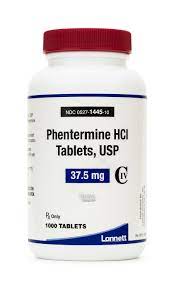
Phentermine is a medication that is commonly used to aid in weight loss. It is an appetite suppressant that works by affecting the central nervous system, helping individuals eat less and lose weight. This article aims to provide a comprehensive overview of the uses, benefits, side effects, and warnings associated with phentermine.
Uses
Phentermine is primarily used as a short-term treatment for overweight individuals who are struggling to lose weight through diet and exercise alone. It is usually prescribed for individuals with a body mass index (BMI) of 30 or higher or those with a BMI of 27 or higher with obesity-related conditions, such as diabetes or high blood pressure.
Phentermine helps to suppress appetite and reduce cravings, making it easier for individuals to stick to a reduced-calorie diet. By curbing excessive hunger, the medication allows the body to burn stored fat, leading to weight loss.
Benefits
One of the key benefits of phentermine is its ability to promote weight loss in individuals who have been unsuccessful with other weight loss methods. The medication allows users to feel satisfied with smaller portions of food, enabling them to consume fewer calories without experiencing severe hunger pangs.
Phentermine has also been shown to improve insulin sensitivity and decrease the risk of developing diabetes. Additionally, by shedding excess weight, users may experience improvement in conditions related to obesity, such as high blood pressure, sleep apnea, and joint pain.
Side Effects
As with any medication, phentermine can have potential side effects. Common side effects may include dry mouth, insomnia, restlessness, increased heart rate, and elevated blood pressure. These side effects are usually mild and subside over time as the body adjusts to the medication.
Less common but more severe side effects may include chest pain, shortness of breath, severe headache, swelling in the lower extremities, and mood changes. If any of these side effects occur, it is important to seek medical attention immediately.
Warnings
It is crucial to take phentermine under the guidance of a healthcare professional. The medication should not be used by individuals with a history of heart disease, uncontrolled high blood pressure, an overactive thyroid, glaucoma, or a history of drug abuse.
Phentermine is also not recommended for pregnant or nursing women as it may be harmful to the unborn or breastfeeding baby. Additionally, it is important to disclose any current medications, including over-the-counter drugs and herbal supplements, to the prescribing physician to avoid potential drug interactions.
FAQs
Phentermine is generally prescribed as a short-term treatment, usually for 12 weeks or less. Prolonged use can lead to dependence and increased tolerance, reducing the effectiveness of the medication.
Yes, phentermine can be used to aid in weight loss for individuals with obesity-related conditions such as diabetes and high blood pressure. However, it should be used in conjunction with a balanced diet and exercise regimen for optimal results.
While phentermine can help curb appetite and reduce food cravings, it is not a magical weight loss solution on its own. To achieve meaningful weight loss, it is essential to follow a reduced-calorie diet and engage in regular physical activity.
Phentermine has the potential for addiction, especially with prolonged or high-dose use. Abrupt discontinuation of the medication can result in withdrawal symptoms. It is crucial to follow the prescribed dosage and duration as instructed by a healthcare professional.
Yes, there are alternative weight loss medications available on the market. Some examples include orlistat, liraglutide, and bupropion/naltrexone. However, the choice of medication should be made in consultation with a healthcare professional based on an individual’s specific needs and medical history.