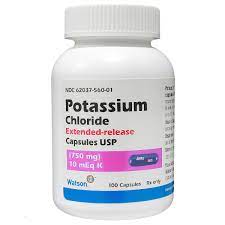
Potassium Chloride Cr is a medication commonly used to treat or prevent low levels of potassium in the blood. Potassium is an essential mineral that plays a vital role in maintaining the body’s overall health and proper functioning. This article will explore the uses, benefits, side effects, and warnings associated with Potassium Chloride Cr.
Uses
Potassium Chloride Cr is primarily used to treat or prevent hypokalemia, a condition characterized by low levels of potassium in the blood. It helps restore and maintain normal potassium levels, which are crucial for the proper functioning of various bodily systems. Potassium is essential for maintaining a healthy heartbeat, nerve function, muscle contraction, and the balance of fluids in the body.
Additionally, this medication may be prescribed to individuals with certain medical conditions or those taking medications that can deplete potassium levels. Some of these conditions include congestive heart failure, diuretic use, chronic kidney disease, and certain hormonal disorders.
Benefits
The benefits of Potassium Chloride Cr are primarily related to its ability to restore and maintain optimal potassium levels in the body. By ensuring adequate potassium levels, this medication can help prevent or alleviate symptoms such as muscle weakness, fatigue, irregular heartbeat, and muscle cramps. It may also assist in improving overall health and well-being.
Furthermore, maintaining proper potassium levels is essential for individuals with certain medical conditions, as low potassium can have adverse effects on their health. By using Potassium Chloride Cr, patients can avoid complications associated with hypokalemia and potentially improve their quality of life.
Side Effects
Like any medication, Potassium Chloride Cr may cause side effects in some individuals. Common side effects include gastrointestinal discomfort such as nausea, vomiting, diarrhea, and stomach pain. These symptoms are usually mild and tend to resolve on their own as the body adjusts to the medication.
In rare cases, more severe side effects may occur, such as allergic reactions, swelling, difficulty breathing, irregular heartbeat, or muscle weakness. It is important to seek immediate medical attention if any of these symptoms occur.
Warnings
Before taking Potassium Chloride Cr, it is essential to consider the following warnings:
1. Allergies: Individuals with a known allergy to potassium chloride or any other ingredients in the medication should avoid its use.
2. Kidney Problems: Patients with severe kidney problems should use this medication with caution, as it may increase potassium levels to dangerous levels.
3. Heart Conditions: Individuals with heart conditions, especially those taking medications that affect heart rhythm, should consult their healthcare provider before using Potassium Chloride Cr.
4. Dehydration: It is important to maintain adequate hydration while taking Potassium Chloride Cr, as dehydration can increase the risk of side effects.
5. Drug Interactions: Certain medications, such as ACE inhibitors, potassium-sparing diuretics, and nonsteroidal anti-inflammatory drugs (NSAIDs), may interact with Potassium Chloride Cr. It is crucial to inform your healthcare provider about all medications you are taking to avoid potential interactions.
FAQs
Potassium Chloride Cr is generally available by prescription only. It is essential to consult a healthcare provider before starting or changing any medication regimen.
The time it takes for Potassium Chloride Cr to work may vary depending on the individual and their specific condition. It is important to follow the prescribed dosage and consult a healthcare provider for guidance.
Pregnant or breastfeeding women should consult their healthcare provider before using Potassium Chloride Cr. The potential risks and benefits should be evaluated on an individual basis.
Potassium Chloride Cr may interact with certain medications, especially those affecting heart rhythm or potassium levels. It is crucial to inform your healthcare provider about all medications you are taking to avoid potential interactions.
It is important to follow the prescribed treatment plan and not discontinue Potassium Chloride Cr without consulting a healthcare provider. Stopping the medication abruptly may lead to a recurrence of low potassium levels and associated symptoms.