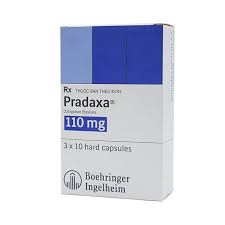
Pradaxa (dabigatran) is a medication that is primarily used to prevent blood clots and strokes in people who have an irregular heartbeat, also known as atrial fibrillation. Pradaxa is in a class of drugs called direct thrombin inhibitors, which means it blocks the activity of thrombin, a substance in the blood that is responsible for blood clots. In this article, we will discuss the uses, benefits, side effects, and warnings of Pradaxa.
Uses
Pradaxa is primarily used to prevent blood clots and strokes in people who have atrial fibrillation, a condition that affects millions of people worldwide. When you have atrial fibrillation, your heart beats irregularly, which can cause blood clots to form in your heart. These clots can then travel to other parts of your body and cause a stroke or other serious conditions. Pradaxa works by preventing the formation of blood clots, which reduces the risk of stroke and other problems.
Pradaxa is also used to treat deep vein thrombosis (DVT) and pulmonary embolism (PE), which are both conditions that cause blood clots. DVT occurs when a blood clot forms in a vein deep in the body, usually in the leg, while PE occurs when a blood clot travels to the lungs and blocks blood flow. Pradaxa helps to prevent these conditions from occurring by inhibiting the formation of blood clots.
Benefits
The benefits of Pradaxa are numerous, and it is an effective medication for preventing blood clots and strokes in people who have atrial fibrillation or are at risk of developing these conditions. In clinical trials, Pradaxa was shown to be as effective as other medications in reducing the risk of stroke and other serious problems. Additionally, Pradaxa has a lower risk of causing bleeding than other blood-thinning medications, such as warfarin.
Pradaxa is also a convenient medication to take, as it is taken orally and does not require frequent monitoring of blood levels like other blood-thinning medications. This makes it a more attractive option for many people who need to take blood thinners long-term.
Side Effects
Like any medication, Pradaxa can cause side effects, and some of these side effects can be serious. The most common side effect of Pradaxa is bleeding, which can range from mild to severe and can occur in various parts of the body, including the brain, stomach, and kidneys. Other side effects include gastrointestinal problems, such as indigestion, heartburn, and nausea, as well as skin rashes and allergic reactions.
It is important to note that Pradaxa can interact with other medications, such as aspirin and nonsteroidal anti-inflammatory drugs (NSAIDs), which can increase the risk of bleeding. Additionally, Pradaxa should be used with caution in people who have kidney problems, as it is eliminated from the body through the kidneys and can accumulate in people who have reduced kidney function.
Warnings
Pradaxa is not appropriate for everyone, and there are some people who should not take this medication. People who have had an allergic reaction to Pradaxa or any of its ingredients should not take this medication, as well as people who have currently active bleeding or a history of bleeding disorders.
Pradaxa should also be used with caution in people who have kidney problems, as well as in people who are over the age of 75 or have a very low body weight. Additionally, Pradaxa can interact with other medications, such as aspirin and NSAIDs, which can increase the risk of bleeding.
It is important to tell your doctor about all medications you are taking, as well as any medical conditions you have, before starting Pradaxa. Your doctor may need to adjust your dosage or monitor you more closely for side effects.
FAQs
Pradaxa should be taken as directed by your doctor. It is usually taken twice a day, with or without food.
Yes, Pradaxa can also be used to treat deep vein thrombosis and pulmonary embolism.
If you miss a dose of Pradaxa, take it as soon as you remember. If it is almost time for your next dose, skip the missed dose and continue with your regular dosing schedule.
It is generally safe to drink alcohol in moderation while taking Pradaxa. However, excessive alcohol consumption can increase the risk of bleeding.
Unlike other blood thinners, Pradaxa does not require regular monitoring of blood levels. However, your doctor may want to check your kidney function periodically while you are taking Pradaxa.