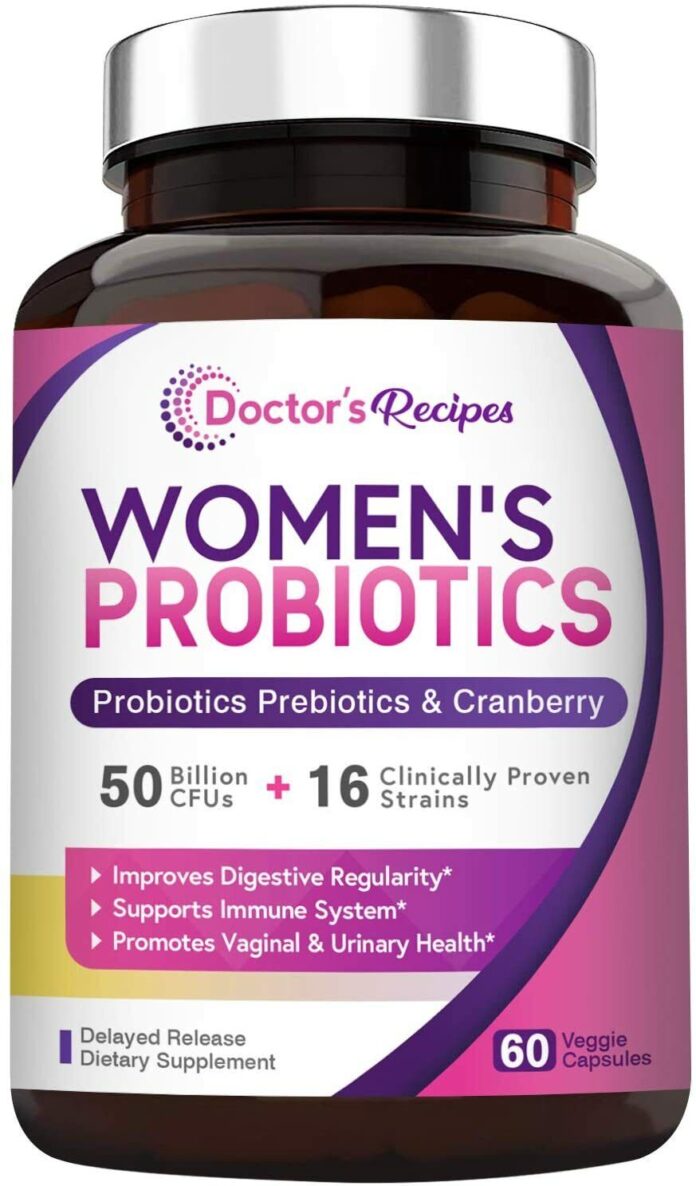
Probiotics are live bacteria and yeasts that are considered good for your health, especially your digestive system. While both men and women can benefit from probiotics, women have unique needs that may require specific strains. In this article, we will explore the uses, benefits, side effects, and warnings related to probiotics for women. Women in MBA Programs is a useful companion read here.
Uses
Probiotics have a wide range of uses for women’s health. Some of the most common uses include:
1. Supporting Digestive Health: Probiotics help maintain a healthy balance of bacteria in the gut, aiding in digestion and preventing conditions such as diarrhea, irritable bowel syndrome (IBS), and bloating.
2. Preventing and Treating Vaginal Infections: Certain strains of probiotics, such as Lactobacillus, can help maintain a healthy vaginal pH level, preventing and treating vaginal infections like bacterial vaginosis and yeast infections.
3. Boosting Immune Function: Probiotics play a vital role in supporting the immune system, which is crucial for overall health and well-being. They help fight off harmful bacteria and viruses, reducing the risk of infections.
4. Managing Urinary Tract Infections (UTIs): Some studies suggest that certain probiotic strains can help prevent and manage UTIs by inhibiting the growth of harmful bacteria in the urinary tract.
Benefits
The benefits of probiotics for women are numerous and extend beyond specific uses. Some notable benefits include:
1. Improved Digestion: Probiotics help break down food and absorb nutrients more efficiently, leading to improved digestive health and nutrient uptake.
2. Enhanced Vaginal Health: By maintaining a healthy vaginal pH level, probiotics can prevent and alleviate common infections, promoting overall vaginal health.
3. Minimized Antibiotic-Associated Diarrhea: Antibiotics can disrupt the balance of good and bad bacteria in the gut, often leading to diarrhea. Probiotics can help restore this balance and alleviate antibiotic-associated diarrhea.
4. Alleviated Menstrual Symptoms: Some strains of probiotics have shown promise in reducing the severity of menstrual symptoms, such as bloating, cramps, and mood swings.
Side Effects
While probiotics are generally safe for most women, a few potential side effects may arise, including:
1. Gas and Bloating: Initially, some individuals may experience mild stomach discomfort, gas, or bloating when starting probiotic supplementation. These symptoms usually subside as the body adapts.
2. Allergic Reactions: In rare cases, individuals may develop an allergic reaction to certain probiotic strains, resulting in rash, itching, or swelling. If severe symptoms occur, seek immediate medical attention.
3. Risk of Infection: Although rare, individuals with compromised immune systems, such as those with HIV/AIDS or undergoing chemotherapy, may be at a higher risk of developing serious infections from certain probiotic strains. Consult a healthcare professional before using probiotics in these cases.
Warnings
While probiotics are generally safe, it is essential to consider the following warnings:
1. Prescription Medication Interactions: Some antibiotics and anti-fungal medications may interact with probiotics. Consult with your healthcare provider before taking probiotics alongside prescription medications.
2. Quality Control: Ensure you choose reputable brands with good manufacturing practices to ensure the quality, purity, and potency of the probiotic supplements you purchase.
3. Proper Storage: Probiotics are live organisms and require proper storage to maintain their effectiveness. Follow the manufacturer’s instructions regarding storage temperature and expiration dates.
4. Precautions during Pregnancy and Breastfeeding: While many probiotics are considered safe during pregnancy and breastfeeding, it is recommended to consult with a healthcare professional before starting any new supplement regimen.
5. Individual Reactions: Each woman may respond differently to probiotics due to variations in gut flora and overall health. If you experience any unusual symptoms or side effects, discontinue use and consult with a healthcare professional.
FAQs
A: While more research is needed, some evidence suggests that certain probiotic strains may support weight loss or prevent weight gain. However, probiotics alone are not a magic solution for weight loss.
A: No, probiotics vary in terms of strains, concentration, and effectiveness for different health conditions. It is important to choose probiotics specifically formulated for women’s health and to consult with a healthcare professional for personalized recommendations.
A: While some fermented foods contain probiotics, it can be challenging to obtain sufficient amounts solely from diet. Probiotic supplements can provide a more concentrated and consistent dose.
A: It is generally recommended to take probiotics with a meal to improve their survivability and stability in the acidic environment of the stomach. However, follow the specific instructions provided with the probiotic supplement.
A: For healthy individuals, probiotics are generally safe. However, in rare instances, they may cause mild side effects such as gas or bloating. In rare cases, probiotics may lead to serious infections in individuals with compromised immune systems.






