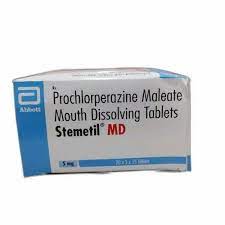
Prochlorperazine Maleate is a medication that belongs to the class of drugs known as phenothiazines. It is primarily used to treat various conditions such as severe nausea and vomiting, anxiety, and schizophrenia. This article will explore the uses, benefits, side effects, and warnings associated with Prochlorperazine Maleate.
Uses
Prochlorperazine Maleate has several uses in the medical field. One of its primary uses is the treatment of severe nausea and vomiting, which may be caused by various factors such as cancer treatment, surgery, or other medical conditions. It works by blocking certain chemicals in the brain that trigger nausea and vomiting, providing relief to patients.
Additionally, Prochlorperazine Maleate is also prescribed to manage anxiety disorders. It helps in reducing anxiety symptoms by affecting certain neurotransmitters in the brain. This medication can be beneficial for individuals with generalized anxiety disorder, panic attacks, or social anxiety.
In some cases, Prochlorperazine Maleate is used as part of a comprehensive treatment plan for schizophrenia. It helps control the symptoms associated with this mental disorder, such as hallucinations, delusions, and disorganized thinking. However, it should be noted that this medication is not a cure for schizophrenia, but rather helps in managing the symptoms.
Benefits
The use of Prochlorperazine Maleate can provide various benefits for patients suffering from specific conditions. The primary benefit is the relief from severe nausea and vomiting. This medication can significantly improve the quality of life for individuals undergoing chemotherapy or recovering from surgery.
For those struggling with anxiety disorders, Prochlorperazine Maleate can help alleviate symptoms such as constant worry, restlessness, and irritability. By reducing anxiety, it allows individuals to function more effectively in their daily lives and enjoy a better overall well-being.
In the case of schizophrenia, Prochlorperazine Maleate can help individuals lead more stable lives by managing the symptoms associated with the condition. It can reduce the frequency and intensity of hallucinations, delusions, and other disruptive thought patterns.
Side Effects
As with any medication, Prochlorperazine Maleate can cause certain side effects. It is important to be aware of these potential side effects before starting this medication. Common side effects may include:
1. Drowsiness or dizziness: Prochlorperazine Maleate can cause drowsiness, making it important to avoid activities that require alertness, such as driving or operating heavy machinery.
2. Dry mouth: It can cause a decrease in saliva production, resulting in a dry mouth. Staying hydrated and using sugar-free gum or lozenges can help alleviate this symptom.
3. Blurred vision: Some individuals may experience blurred vision while taking Prochlorperazine Maleate. If this occurs, it is advisable to avoid tasks that require clear vision until the side effect subsides.
4. Constipation: This medication can lead to constipation. Increasing fiber intake and staying hydrated can help prevent or alleviate this side effect.
5. Low blood pressure: Prochlorperazine Maleate can cause a drop in blood pressure, leading to dizziness or lightheadedness. It is important to stand up slowly from a sitting or lying position to avoid falls.
It is crucial to inform your healthcare provider if you experience any severe or persistent side effects while taking Prochlorperazine Maleate.
Warnings
There are certain precautions and warnings associated with Prochlorperazine Maleate that should be considered. Some individuals may be more susceptible to experiencing adverse effects or interactions with other medications. It is essential to communicate openly with your healthcare provider and disclose any relevant medical history or ongoing treatments.
Prochlorperazine Maleate should be used with caution in elderly patients, as they may be more sensitive to the side effects of the medication, particularly the risk of falls due to low blood pressure.
Individuals with a history of certain medical conditions, such as liver or kidney disease, should inform their healthcare provider before starting Prochlorperazine Maleate. Dosage adjustments may be necessary to ensure safe and effective use of the medication.
Furthermore, Prochlorperazine Maleate may interact with other medications, including certain antidepressants, blood pressure medications, and anticonvulsants. It is important to provide a comprehensive list of all medications, over-the-counter drugs, and supplements you are currently taking to avoid potential interactions.
It is advisable to avoid alcohol consumption while taking Prochlorperazine Maleate, as it may enhance the sedative effects of the medication.
In conclusion, Prochlorperazine Maleate is a versatile medication used to treat severe nausea and vomiting, anxiety disorders, and schizophrenia. It offers relief, improves quality of life, and helps manage symptoms effectively. However, it is crucial to be aware of potential side effects and warnings associated with its use. Always consult with a healthcare provider before starting or discontinuing any medication.
FAQs
Yes, Prochlorperazine Maleate is sometimes prescribed off-label to treat migraines, as it can help alleviate nausea and vomiting associated with the condition.
The onset of action can vary depending on the individual and the condition being treated. It may take anywhere from a few hours to several days to experience the full effects of Prochlorperazine Maleate.
It is not recommended to drive or operate heavy machinery while taking Prochlorperazine Maleate, as it can cause drowsiness and impair your ability to focus.
Prochlorperazine Maleate should only be used during pregnancy if the benefits outweigh the potential risks. It is essential to discuss this with your healthcare provider before starting or continuing the medication.
It is important to consult with your healthcare provider before discontinuing Prochlorperazine Maleate. They will provide guidance on how to safely taper off the medication to avoid withdrawal symptoms.






