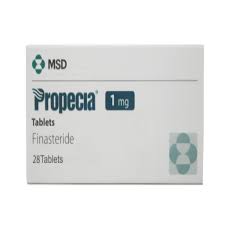
Propecia is a popular medication that is used to treat male pattern hair loss. It contains an active ingredient called finasteride, which works by blocking the conversion of testosterone to dihydrotestosterone (DHT). Propecia has many benefits, but it also comes with some side effects and warnings that patients need to be aware of. In this article, we will take a closer look at Propecia, its uses, benefits, side effects and warnings.
Uses
Propecia is primarily used to treat male pattern hair loss, a common condition affecting about two-thirds of men by age 35. A receding hairline and thinning hair on the crown of the head characterizes male pattern hair loss. Propecia helps to increase hair growth and prevent further hair loss by reducing the levels of DHT in the scalp.
Propecia is also sometimes used to treat benign prostatic hyperplasia (BPH), a non-cancerous prostate gland enlargement that affects many older men. BPH can cause urinary problems such as frequent urination, urgency, and difficulty urinating. Propecia helps to improve urinary symptoms by shrinking the prostate gland.
Benefits
Propecia has many benefits for men with male pattern hair loss and BPH. Here are some of the key benefits of Propecia:
- Increases hair growth and thickness: Propecia helps to stimulate hair growth and increase the thickness of existing hair in men with male pattern hair loss.
- Prevents further hair loss: Propecia helps block the activity of DHT, the hormone responsible for hair loss in men with male pattern hair loss.
- Improves urinary symptoms: Propecia helps reduce the prostate gland’s size, which can improve urinary symptoms in men with BPH.
- Easy to use: Propecia is taken as a tablet once daily and does not require special administration.
Side Effects
Like all medications, Propecia can have side effects. Here are some of the most common side effects of Propecia:
- Decreased libido: Propecia can lead to a decrease in sex drive and sexual function in some men.
- Erectile dysfunction: Propecia has been associated with an increased risk of erectile dysfunction.
- Decreased semen volume: Propecia can cause a decrease in semen volume, which can affect fertility.
- Breast enlargement: Propecia has been associated with breast enlargement and tenderness in some men.
- Allergic reactions: In rare cases, Propecia can cause allergic reactions such as hives, rash, and itching.
Warnings
Propecia is generally a safe and effective medication, but there are some warnings that patients need to be aware of. Here are some of the most important warnings associated with Propecia:
- Pregnant women should not handle crushed or broken tablets of Propecia because it can cause birth defects in male fetuses.
- Women or children should not take Propecia.
- Propecia can affect the results of prostate-specific antigen (PSA) tests, which are used to screen for prostate cancer.
- Propecia can interact with other medications, so patients should tell their doctor about all the medications they are taking.
– Patients with liver disease may be at increased risk of side effects from Propecia.
FAQs
It can take up to 3 months to see the full effects of Propecia on hair growth.
Propecia can help to stimulate hair growth and prevent further hair loss, but it cannot cure baldness.
Most sexual side effects of Propecia are reversible when the medication is discontinued, but in rare cases, they may be permanent.
No, Propecia is not recommended for women. It can cause birth defects in male fetuses and may cause harm to a developing fetus.
Propecia is often covered by insurance, but patients should check with their insurance provider to confirm coverage.