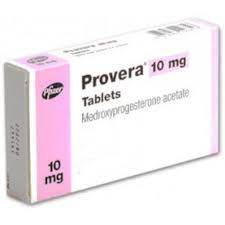
Provera is a drug that contains medroxyprogesterone acetate, a synthetic progestin hormone that is similar to the hormone progesterone in the body. Provera is used in a variety of medical conditions, including menstrual disorders, endometrial hyperplasia, and hormonal contraception. In this article, we will explore the uses, benefits, side effects, and warnings of Provera.
Uses of Provera
Provera is a medication that has several therapeutic uses. The following are some of the most common uses of Provera:
1. Menstrual disorders: Provera is prescribed to women who have irregular, heavy, or painful menstrual periods. It can help regulate the menstrual cycle and reduce the amount and duration of menstrual bleeding.
2. Endometrial hyperplasia: Provera is used to treat endometrial hyperplasia, a condition in which the lining of the uterus becomes too thick. If left untreated, endometrial hyperplasia can lead to uterine cancer.
3. Hormonal contraception: Provera is also used as a form of hormonal contraception. When taken daily, it can prevent pregnancy by inhibiting ovulation. Provera can also be used in combination with estrogen to form a combined hormonal contraceptive.
4. Breast cancer: In some cases, Provera is used in the treatment of breast cancer. The medication is used to decrease the amount of estrogen in the body, which can help slow the growth of breast cancer cells.
Benefits of Provera
Provera has several benefits for women who are experiencing menstrual disorders or other medical conditions. The following are some of the most important benefits of Provera:
1. Regulates menstrual cycle: Provera can help regulate the menstrual cycle by reducing the amount and duration of menstrual bleeding. This can be especially helpful for women who experience heavy or prolonged menstrual periods.
2. Prevents endometrial hyperplasia: Provera is an effective treatment for endometrial hyperplasia, a condition that can lead to uterine cancer. By reducing the thickness of the uterine lining, Provera can prevent the development of endometrial hyperplasia.
3. Contraception: Provera is an effective form of hormonal contraception. When taken daily, it can prevent pregnancy by inhibiting ovulation.
4. Treats breast cancer: Provera can be used in the treatment of breast cancer. By lowering the amount of estrogen in the body, it can help slow the growth of cancer cells.
Side Effects of Provera
Provera, like all medications, can cause side effects. The following are some of the common side effects of Provera:
1. Nausea: Provera can cause nausea and vomiting in some women.
2. Headache: Some women may experience headaches while taking Provera.
3. Changes in menstrual bleeding: While Provera can regulate menstrual bleeding, it can also cause changes in the menstrual pattern, including irregular bleeding or spotting.
4. Breast tenderness: Provera can cause breast tenderness or enlargement in some women.
5. Mood changes: Some women may experience mood changes, such as depression or anxiety, while taking Provera.
Warnings About Provera
Provera, like all medications, carries some risks. Women taking Provera should be aware of the following warnings:
1. Breast cancer risk: Some studies have suggested that long-term use of progestin-only contraceptives, such as Provera, may increase the risk of breast cancer. Women should talk to their healthcare provider about their individual risk factors for breast cancer before taking Provera.
2. Blood clots: Provera can increase the risk of blood clots, which can lead to stroke or heart attack. Women with a history of blood clots should talk to their healthcare provider before taking Provera.
3. Diabetes: Provera can affect blood sugar levels in some women, which can be a concern for women with diabetes.
4. Liver disease: Provera can affect liver function, so women with a history of liver disease should talk to their healthcare provider before taking Provera.
5. Smoking: Women who smoke should talk to their healthcare provider before taking Provera, as it can increase the risk of cardiovascular disease.
Conclusion
Provera is a medication that has several therapeutic uses, including menstrual disorders, endometrial hyperplasia, and hormonal contraception. While Provera has many benefits for women, it also carries some risks and side effects. Women should talk to their healthcare provider about the benefits and risks of Provera before taking the medication.
FAQs
Provera can start working within a few days of taking the medication, although it may take several months for the full effects to be seen.
No, Provera is not an effective form of emergency contraception. Women should use other methods of emergency contraception, such as the morning-after pill, if they need to prevent pregnancy.
Some women may experience weight gain while taking Provera, although this is not a common side effect.
No, Provera should not be taken during pregnancy. Women who are pregnant or may become pregnant should talk to their healthcare provider before taking Provera.
No, Provera is a prescription medication and is not available over-the-counter. Women should talk to their healthcare provider to see if Provera is an appropriate treatment for their medical condition.






