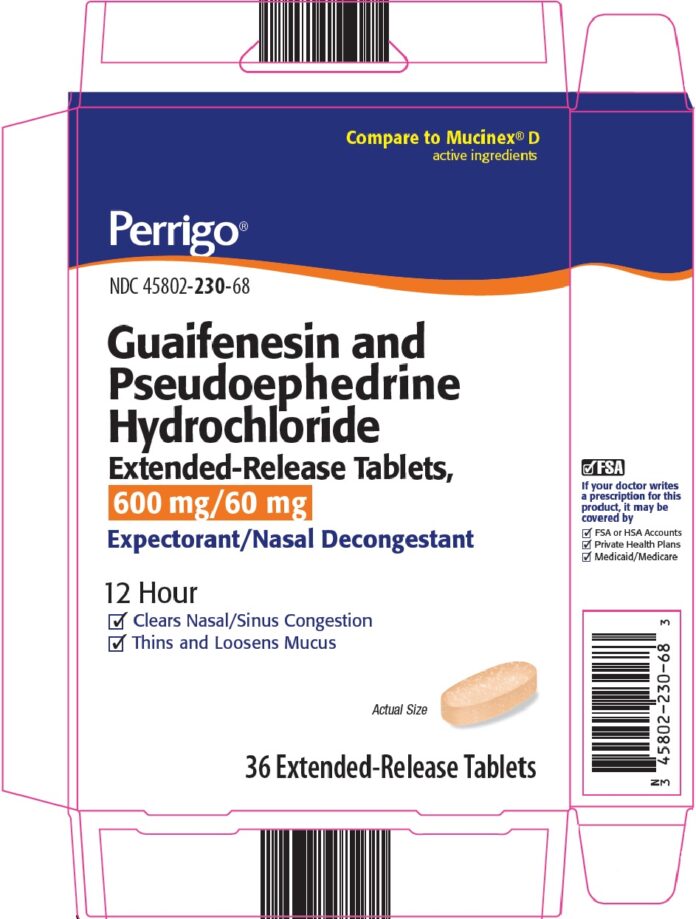
Pseudoephedrine Guaifenesin is a combination medicine that is used to relieve symptoms associated with the common cold, flu, allergies, and other respiratory conditions. It contains two active ingredients: pseudoephedrine, a decongestant, and guaifenesin, an expectorant. This article will explore the various uses, benefits, side effects, and warnings associated with this medication.
Uses
Pseudoephedrine Guaifenesin is primarily used to relieve nasal and sinus congestion caused by the common cold, flu, and allergies. It works by shrinking the blood vessels in the nasal passages, reducing congestion and making breathing easier. Additionally, guaifenesin helps loosen and thin mucus in the airways, making it easier to cough up and clear the respiratory tract.
This medication may also be prescribed by healthcare professionals for other conditions not mentioned in this article. It is essential to follow your doctor’s instructions and only use this medication as directed.
Benefits
Pseudoephedrine Guaifenesin provides several benefits for individuals experiencing respiratory congestion and related symptoms. Some of the benefits include:
- Relief from nasal congestion, allowing for easier breathing
- Reduction in sinus pressure and pain
- Loosening and thinning of mucus in the airways, aiding in its expulsion
- Improved ability to cough up phlegm and clear the respiratory tract
- Alleviation of symptoms associated with allergies, colds, and flu
It is important to note that while this medication provides relief from symptoms, it does not cure the underlying condition causing the congestion. Therefore, it is crucial to consult with a healthcare professional if symptoms persist or worsen.
Side Effects
Like any medication, Pseudoephedrine Guaifenesin may cause certain side effects in some individuals. These side effects are usually mild and temporary. Common side effects may include:
- Nausea or upset stomach
- Dizziness or lightheadedness
- Dry mouth
- Headache
- Nervousness or restlessness
- Trouble sleeping
If any of these side effects persist or worsen, it is advisable to contact your healthcare provider. Additionally, seek medical attention immediately if you experience more severe side effects such as rapid heartbeat, severe dizziness, difficulty urinating, or allergic reactions (e.g., rash, itching, swelling).
Warnings
Pseudoephedrine Guaifenesin should be used with caution and under the guidance of a healthcare professional, especially if you have certain medical conditions or are taking specific medications. Some important warnings to consider include:
- Do not use this medication if you are allergic to pseudoephedrine, guaifenesin, or any other ingredients present in the product.
- Inform your healthcare provider about any medical conditions you have, such as high blood pressure, heart disease, diabetes, thyroid problems, glaucoma, or prostate problems.
- Inform your doctor about all medications, supplements, and herbal products you are currently taking to avoid potential drug interactions.
- Avoid consuming alcohol while using this medication, as it may increase the risk of side effects.
- Pseudoephedrine Guaifenesin may cause dizziness or drowsiness. Use caution when driving or operating machinery until you know how the medication affects you.
- Consult your healthcare provider if you are pregnant, planning to become pregnant, or breastfeeding, as the safety of this medication in these situations is not well-established.
These warnings are not exhaustive, and it is essential to read the product label and consult with a healthcare professional for comprehensive information and guidance.
Always consult with a healthcare professional or pharmacist for personalized advice regarding the use of Pseudoephedrine Guaifenesin and any specific concerns or questions you may have.
FAQs
Individuals with high blood pressure should consult with their healthcare provider before taking this medication. Pseudoephedrine may elevate blood pressure, and its use may need to be avoided or closely monitored in such cases.
This medication is not recommended for children under the age of 12 without the guidance of a healthcare professional. Follow the dosage instructions provided by your doctor or pharmacist.
It is important to read the labels of other cold medications carefully, as they may contain similar active ingredients. Taking multiple medications with the same active ingredients can lead to an overdose. If in doubt, consult with a healthcare professional.
Do not use this medication for longer than directed by your healthcare provider. If symptoms persist or worsen after a few days, consult with a healthcare professional.
Caffeine may enhance the stimulant effects of pseudoephedrine, potentially leading to increased heart rate or jitteriness. It is advisable to limit or avoid caffeine consumption while using this medication.