Uses
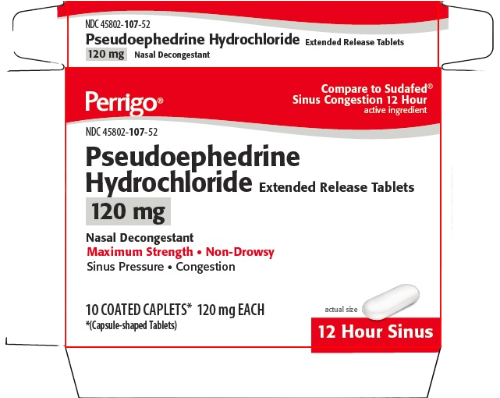
Pseudoephedrine is a medication that is commonly used as a decongestant to relieve nasal congestion caused by allergies, the common cold, or sinusitis. It works by shrinking the blood vessels in the nasal passages, reducing swelling and congestion.
In addition to its decongestant properties, pseudoephedrine is also used as an ingredient in some weight loss and performance-enhancing supplements due to its stimulant effect. However, its use in these contexts is controversial and can have serious health risks.
Benefits
Pseudoephedrine can provide temporary relief from nasal congestion, allowing individuals to breathe more easily. By reducing the swelling and congestion in the nasal passages, it can make it easier to sleep, reduce snoring, and alleviate headaches associated with sinus congestion.
It is important to note that pseudoephedrine is only intended for short-term use and should not be used for more than a few days at a time. Prolonged use can lead to a condition called rebound congestion, where nasal congestion worsens when the medication is discontinued.
Side Effects
Like any medication, pseudoephedrine can cause side effects in some individuals. Common side effects include increased heart rate, elevated blood pressure, and restlessness. These effects are due to pseudoephedrine’s stimulant properties and typically subside as the medication is metabolized and eliminated from the body.
In rare cases, pseudoephedrine can cause more serious side effects such as irregular heart rhythm, difficulty breathing, and allergic reactions. These side effects should be reported to a healthcare professional immediately, and medical attention should be sought.
It is crucial to follow the recommended dosage instructions and not exceed the recommended dose to minimize the risk of side effects.
Warnings
Before taking pseudoephedrine, it is important to inform your healthcare provider if you have any pre-existing medical conditions, such as high blood pressure, heart disease, thyroid problems, diabetes, or prostate issues. Pseudoephedrine can worsen these conditions or interact with other medications you may be taking.
Pseudoephedrine should also be used with caution in individuals who have a history of drug abuse or addiction, as it can be habit-forming when abused in large quantities or for extended periods.
Due to its stimulant properties, pseudoephedrine is categorized as a controlled substance in some countries and may require a prescription. It is crucial to adhere to the legal regulations surrounding the purchase and use of this medication to prevent legal repercussions.
FAQs
Pseudoephedrine can increase blood pressure and should be used with caution or avoided altogether in individuals with high blood pressure. Consult with your healthcare provider for personalized advice.
No, pseudoephedrine should only be used for a short duration to avoid rebound congestion. If symptoms persist beyond a few days, consult a healthcare professional for further evaluation.
Pseudoephedrine should be used with caution during pregnancy, and pregnant individuals should consult with their healthcare provider before taking any medication.
Combining alcohol with pseudoephedrine can increase the risk of certain side effects, such as dizziness and drowsiness. It is advisable to avoid alcohol while using this medication.
Pseudoephedrine can cause dizziness and drowsiness in some individuals. If you experience these side effects, it is advisable to avoid driving or operating machinery until they subside.






