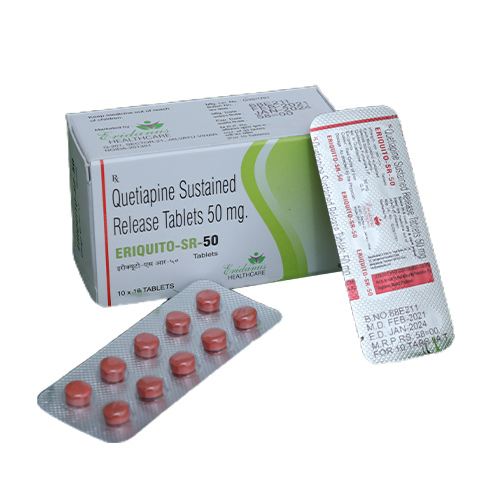
Quetiapine is a medication that is commonly prescribed for the treatment of certain mental/mood disorders such as schizophrenia and bipolar disorder. It is an atypical antipsychotic drug that works by restoring the balance of certain natural substances in the brain. In addition to its primary uses, Quetiapine can also be used as an add-on treatment for major depressive disorder. This article will explore the uses, benefits, side effects, and warnings associated with Quetiapine.
Uses
Quetiapine is primarily used to treat schizophrenia, a chronic mental disorder characterized by hallucinations, delusions, disorganized thinking, and other symptoms that result in significant impairment of daily functioning. It is also effective in reducing the frequency and severity of manic episodes in bipolar disorder, a mood disorder characterized by extreme mood swings ranging from depression to mania. Additionally, Quetiapine can be prescribed as an adjunctive treatment for major depressive disorder when traditional antidepressant medications have proven inadequate. It helps improve mood, sleep, appetite, and energy levels in individuals suffering from depression.
Benefits
Quetiapine offers several benefits for individuals with mental/mood disorders. In the treatment of schizophrenia, it helps to reduce symptoms such as hearing voices, seeing things that are not there, and having false beliefs. For individuals with bipolar disorder, Quetiapine can help stabilize their mood, preventing extreme highs and lows. Furthermore, in the adjunctive treatment of major depressive disorder, it can improve various symptoms of depression including sadness, loss of interest, sleep disturbances, and feelings of worthlessness.
Side Effects
Like any medication, Quetiapine is associated with certain side effects. Common side effects include drowsiness, dizziness, dry mouth, constipation, blurred vision, and weight gain. These side effects may subside over time as the body adjusts to the medication. However, if they persist or worsen, it is important to inform your healthcare provider. In some cases, Quetiapine can cause more serious side effects such as high blood sugar levels, increased cholesterol levels, and irregular heartbeat. Regular monitoring of blood sugar and cholesterol levels is essential for individuals taking this medication.
Warnings
Before starting Quetiapine, it is important to discuss your medical history with your healthcare provider. Inform them of any allergies, especially to Quetiapine or other antipsychotic medications. Quetiapine may cause dizziness or drowsiness, so it is important to avoid activities that require mental alertness until you are familiar with how the medication affects you. It is advised to limit alcohol consumption as it may increase the risk of side effects. Quetiapine should be used cautiously in patients with a history of heart disease, seizures, or diabetes, as it can potentially worsen these conditions. Finally, this medication should not be abruptly stopped without consulting your healthcare provider, as it may lead to withdrawal symptoms.
In conclusion, Quetiapine is a medication that is commonly used to treat schizophrenia, bipolar disorder, and major depressive disorder. It offers various benefits in reducing symptoms and improving overall mental well-being. However, it is important to be aware of the potential side effects and heed the warnings associated with the medication. Always consult your healthcare provider for personalized advice and guidance regarding the use of Quetiapine.
Frequently Asked Questions (FAQs)
Although Quetiapine is mainly indicated for the treatment of schizophrenia, bipolar disorder, and major depressive disorder, it can sometimes be prescribed off-label to help manage symptoms of anxiety. However, it is important to consult your healthcare provider to determine if Quetiapine is appropriate for your specific anxiety symptoms.
Quetiapine is classified as a Category C medication in pregnancy, which means that its safety for pregnant women has not been well-established. It is important to discuss the potential risks and benefits with your healthcare provider before taking Quetiapine while pregnant.
No, Quetiapine is not considered addictive. However, sudden discontinuation of the medication may lead to withdrawal symptoms. It is important to follow your healthcare provider’s instructions regarding how to gradually reduce the dose if you plan on stopping Quetiapine.
Quetiapine is generally not recommended for use in children and adolescents under the age of 18, as its efficacy and safety in this population have not been adequately studied. However, it may be prescribed off-label in certain cases under close medical supervision.
If you accidentally miss a dose of Quetiapine, take it as soon as you remember. However, if it is close to the time for your next scheduled dose, skip the missed dose and resume your regular dosing schedule. Do not double the dose to catch up.






