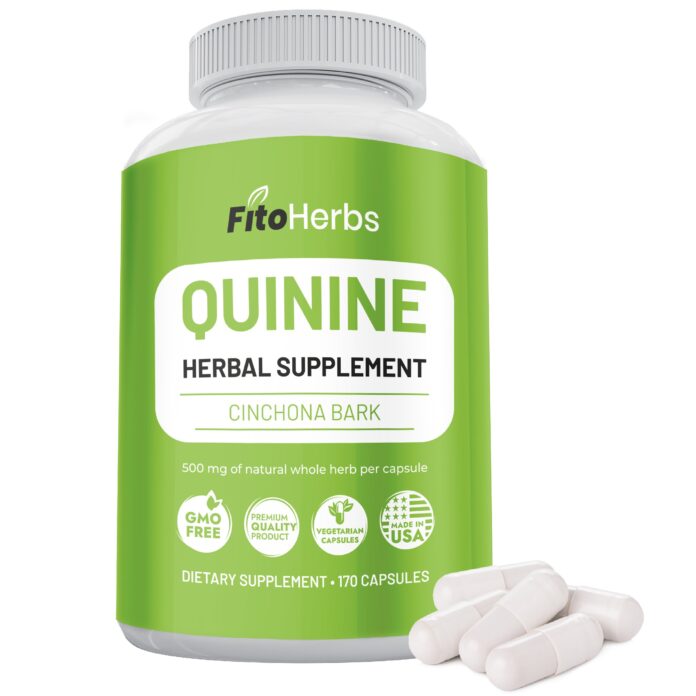
Quinine is a medication that has been used for centuries as a treatment for various ailments. It is primarily known for its use in treating malaria, but it also has other uses in the medical field. In this article, we will explore the uses, benefits, side effects, and warnings associated with quinine.
Uses
The primary use of quinine is in the treatment and prevention of malaria, a deadly disease caused by parasites transmitted through mosquito bites. Quinine works by killing the parasites in the body, thereby stopping the progression of the disease. It is often prescribed in combination with other medications for optimal effectiveness.
Additionally, quinine has also been used for the treatment of leg cramps, particularly those that occur at night. However, it is important to note that the use of quinine for this purpose is controversial, as its efficacy has not been conclusively proven.
Benefits
The main benefit of quinine lies in its ability to combat malaria. This disease is responsible for hundreds of thousands of deaths each year, mostly in tropical and subtropical regions. Quinine has played a significant role in reducing the mortality rate by effectively treating infected individuals.
Moreover, quinine has been shown to alleviate the symptoms of leg cramps in some cases. While further research is needed to fully understand its mechanism of action in this regard, many individuals have reported relief from these painful muscle contractions.
Side Effects
As with any medication, quinine is not without side effects. Common side effects include headache, nausea, vomiting, diarrhea, abdominal pain, and ringing in the ears. These side effects are usually mild and go away on their own, but it is essential to consult a healthcare professional if they persist or worsen.
However, quinine also carries the risk of more severe side effects, such as irregular heartbeat, allergic reactions, vision changes, and low blood platelet levels. These side effects are rare but potentially dangerous. Immediate medical attention should be sought if any of these symptoms occur.
Warnings
When considering the use of quinine, it is crucial to take note of certain warnings associated with this medication. Firstly, quinine should not be used by individuals with a known allergy to the drug or who have experienced adverse reactions to it in the past.
Furthermore, quinine should be used with caution in individuals with certain medical conditions, including cardiovascular disease, kidney problems, hearing impairments, or conditions that affect blood clotting. The use of quinine during pregnancy or while breastfeeding should be discussed with a healthcare professional, as it may not be suitable for all individuals in these circumstances.
It is important to follow the prescribed dosage and duration of quinine treatment to minimize the risk of side effects. Additionally, alcohol consumption should be avoided while taking quinine, as it can increase the likelihood of certain side effects.
FAQs
Quinine is primarily used as a treatment for malaria, rather than a preventive measure. Consult a healthcare professional for advice on the most appropriate preventive measures for malaria in your specific situation.
While quinine has been used for the treatment of leg cramps, its efficacy remains uncertain. It is essential to consult a healthcare professional to explore other treatment options for specific conditions.
The effectiveness of quinine against malaria depends on various factors, such as the severity of the infection and individual response to the medication. An improvement in symptoms can usually be observed within a few days, but the full course of treatment should be completed to ensure the elimination of the parasites.
No, quinine is a prescription medication and cannot be purchased over the counter. It should only be obtained with a valid prescription from a healthcare professional.
Quinine can be used in children, but the dosage and safety should be determined by a healthcare professional based on their age, weight, and specific medical history.