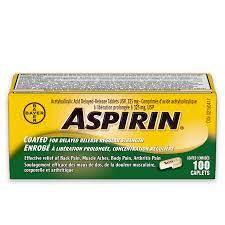
Aspirin, one of the most widely used medications in the world, has been a staple in medicine cabinets for decades. Ra Enteric Coated Aspirin is a specific formulation that provides unique benefits and features. In this article, we will explore the uses, benefits, side effects, and warnings associated with Ra Enteric Coated Aspirin.
Uses
Ra Enteric Coated Aspirin is primarily used to relieve pain, reduce inflammation, and lower fever. It belongs to a class of medications called nonsteroidal anti-inflammatory drugs (NSAIDs). This formulation is specifically designed to protect the stomach lining from irritation, making it an ideal choice for individuals with a history of gastric issues.
The primary uses of Ra Enteric Coated Aspirin include:
- Relief of mild to moderate pain, such as headaches, toothaches, menstrual cramps, and muscle aches.
- Reduction of fever associated with common cold, flu, or other viral infections.
- Alleviation of minor joint pain and swelling caused by arthritis.
- Prevention of heart attacks and strokes in individuals at high risk.
Benefits
Ra Enteric Coated Aspirin offers several benefits compared to regular aspirin formulations:
- Stomach protection: The enteric coating on these tablets acts as a barrier, preventing aspirin from directly contacting the stomach lining. This significantly reduces the risk of gastric irritation and ulcers.
- Delayed release: The enteric coating also ensures that the medication is not released in the stomach but rather in the small intestine. This allows for better absorption and effectiveness.
- Convenience: Ra Enteric Coated Aspirin is available over-the-counter, making it easily accessible for individuals seeking pain relief or fever reduction.
- Cardiovascular benefits: Aspirin is known for its blood-thinning properties, which can help prevent blood clots and reduce the risk of heart attacks and strokes.
Side Effects
While Ra Enteric Coated Aspirin is generally safe when used as directed, it may still cause some side effects. Common side effects include:
- Upset stomach or heartburn
- Nausea or vomiting
- Dizziness or lightheadedness
- Ringing in the ears (tinnitus)
- Allergic reactions such as rash or itching
If any of these side effects persist or worsen, it is important to consult a healthcare professional. Additionally, prolonged use or exceeding the recommended dosage may increase the risk of more serious side effects, such as gastrointestinal bleeding or kidney problems. It is crucial to follow the instructions and guidelines provided by your healthcare provider or the medication’s packaging.
Warnings
Before using Ra Enteric Coated Aspirin, it is important to be aware of the following warnings:
- Do not take aspirin if you are allergic to it or any other NSAIDs.
- Avoid using aspirin if you have a history of stomach ulcers or bleeding disorders.
- Consult a healthcare professional before starting aspirin therapy if you have any underlying medical conditions, such as liver or kidney disease, asthma, or high blood pressure.
- Avoid alcohol consumption while taking aspirin, as it may increase the risk of stomach bleeding.
- Inform your healthcare provider about all the medications you are currently taking, including over-the-counter drugs, herbal supplements, and prescription medications.
It is essential to read the complete product label and follow the instructions provided. If you have any concerns or questions, consult your healthcare professional for personalized advice.
FAQs
It is always advisable to consult your healthcare provider before combining any medications. Some drugs may interact with aspirin and affect its effectiveness or increase the risk of side effects.
The recommended dosage and frequency of use may vary depending on the condition being treated. It is best to follow the instructions provided by your healthcare provider or the medication’s packaging.
Pregnant women should consult their healthcare provider before using any medications, including aspirin. It is generally recommended to avoid aspirin during pregnancy, especially in the last trimester.
Aspirin should not be given to children under the age of 18, as it may increase the risk of a rare but serious condition called Reye’s syndrome.
The duration of aspirin therapy for heart attack or stroke prevention is determined by your healthcare provider. It is crucial to follow their recommendations and not discontinue the medication without consulting them first.
Remember, this article serves as a general guide and should not replace professional medical advice. Always consult a healthcare professional for personalized recommendations and guidance.