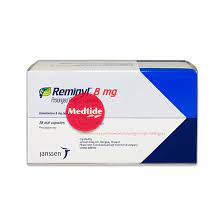
Reminyl is a medication that is used to treat the symptoms of Alzheimer’s disease. It works by increasing the levels of a chemical called acetylcholine in the brain, which is important for memory and thinking. In this article, we will discuss the uses, benefits, side effects, and warnings of Reminyl.
Uses
Reminyl is used to treat the symptoms of Alzheimer’s disease, including memory loss, confusion, and difficulty thinking. Alzheimer’s disease is a progressive brain disorder that affects millions of people around the world. It is characterized by the buildup of protein in the brain, which causes damage to the nerve cells that are responsible for memory and thinking.
Benefits
Reminyl can help to improve the symptoms of Alzheimer’s disease, including memory loss, confusion, and difficulty thinking. It does this by increasing the levels of acetylcholine in the brain, which is important for memory and thinking. Reminyl may also help to slow down the progression of Alzheimer’s disease, although it is not a cure for the condition.
Side Effects
Reminyl can cause a range of side effects, including:
- Nausea
- Vomiting
- Diarrhea
- Loss of appetite
- Headache
- Dizziness
- Tremors
- Insomnia
- Depression
- Anxiety
- Agitation
- Abnormal dreams
- Increased sweating
- Runny nose
- Chest pain
- Irregular heartbeat
- Seizures
If you experience any of these side effects while taking Reminyl, you should contact your doctor immediately.
Warnings
There are several warnings associated with the use of Reminyl. These include:
- Reminyl can cause an allergic reaction in some people. If you experience any symptoms of an allergic reaction, such as hives, difficulty breathing, or swelling of the face, lips, tongue, or throat, you should seek medical attention immediately.
- Reminyl can interact with other medications, including antidepressants and antipsychotics. Be sure to tell your doctor about all medications you are taking before starting Reminyl.
- Reminyl can cause liver damage in some people. Your doctor may monitor your liver function while you are taking this medication.
- Reminyl can cause dizziness or fainting, especially when standing up from a sitting or lying position. To minimize this effect, you should stand up slowly and avoid sudden movements.
FAQs
Reminyl is a medication used to treat the symptoms of Alzheimer’s disease.
Reminyl works by increasing the levels of a chemical called acetylcholine in the brain, which is important for memory and thinking.
The side effects of Reminyl include nausea, vomiting, diarrhea, loss of appetite, headache, dizziness, and more.
Reminyl is not a cure for Alzheimer’s disease, but it can help to improve the symptoms and slow down the progression of the disease.
Yes, there are several warnings associated with the use of Reminyl, including a risk of allergic reactions, interactions with other medications, and a risk of liver damage.