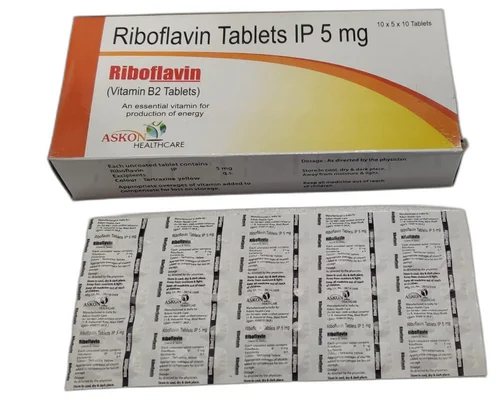
Riboflavin, also known as vitamin B2, is an essential nutrient that plays a crucial role in maintaining overall health. It is a water-soluble vitamin that is necessary for various bodily functions. In this article, we will discuss the uses, benefits, side effects, and warnings associated with riboflavin.
Uses of Riboflavin
Riboflavin has several important roles in the body. It is primarily involved in the conversion of carbohydrates into energy, thereby aiding in the proper functioning of the metabolism. Additionally, riboflavin helps in the production of red blood cells, improves vision, and supports the growth and function of body tissues.
Benefits of Riboflavin
1. Improved energy production: Riboflavin plays a vital role in the process of energy production, as it is involved in the conversion of carbohydrates, fats, and proteins into usable energy. Adequate intake of riboflavin can help combat fatigue and increase energy levels.
2. Enhances skin and eye health: Riboflavin is essential for maintaining healthy skin and eyes. It supports the production of collagen, a structural protein that keeps the skin firm and elastic. Moreover, riboflavin is involved in the production of glutathione, an antioxidant that protects the eyes from oxidative stress.
3. Supports red blood cell production: Red blood cells are responsible for delivering oxygen to various parts of the body. Riboflavin plays a vital role in the production of red blood cells, thus ensuring efficient oxygen transportation.
4. Prevents migraines: Research suggests that riboflavin can help reduce the frequency and severity of migraines. Regular intake of riboflavin supplements may help alleviate migraine symptoms and improve overall quality of life for migraine sufferers.
5. Protects against oxidative stress: Riboflavin acts as an antioxidant in the body, neutralizing harmful free radicals and protecting cells from damage. This protective effect helps in preventing chronic diseases, such as heart disease and cancer.
Side Effects of Riboflavin
Riboflavin is generally considered safe when consumed in recommended amounts. However, some individuals may experience mild side effects such as diarrhea, increased urine output, and yellow-orange discoloration of urine. These side effects are typically harmless and resolve on their own. In rare cases, allergic reactions and hypersensitivity may occur, requiring immediate medical attention.
Warnings about Riboflavin
1. Drug interactions: Riboflavin may interact with certain medications such as tricyclic antidepressants, phenothiazine antipsychotics, and oral contraceptives. It is important to consult a healthcare professional before starting riboflavin supplements, especially if you are taking any medications.
2. Pregnancy and breastfeeding: Pregnant and breastfeeding women should ensure an adequate intake of riboflavin as it is crucial for fetal development and milk production. However, it is recommended to consult a healthcare professional for the appropriate dosage and to ensure its safety during this stage.
3. Genetic disorders and absorption issues: Some individuals may have genetic disorders or absorption issues that can affect riboflavin metabolism. In such cases, it is essential to consult a healthcare professional for appropriate testing and treatment options.
4. Dosage guidelines: The recommended dietary allowance (RDA) for riboflavin varies depending on age, sex, and other factors. It is recommended to follow the guidelines provided by healthcare professionals or refer to reputable sources for dosage information.
5. Allergies and hypersensitivity: Individuals with known allergies or hypersensitivity to riboflavin or any related substances should avoid riboflavin supplements and consult a healthcare professional for alternative sources of vitamin B2.
Frequently Asked Questions (FAQs)
Riboflavin deficiency is relatively rare, especially in developed countries. However, certain factors such as poor diet, alcoholism, and certain medical conditions can increase the risk of deficiency.
While riboflavin is important for maintaining healthy skin, there is limited evidence to support its direct role in treating acne. However, ensuring an adequate intake of riboflavin as part of a balanced diet may contribute to overall skin health.
Yes, riboflavin is naturally present in a variety of foods, including dairy products, meat, eggs, green leafy vegetables, and whole grains. Incorporating these foods into your diet can help meet your riboflavin requirements.
Riboflavin supplements are generally safe to consume alongside other vitamins and minerals. However, it is advisable to follow the recommended dosage and consult a healthcare professional if you are taking multiple supplements.
Since riboflavin is a water-soluble vitamin, excess amounts are usually excreted through urine. However, extremely high doses may cause adverse effects, and it is best to follow the recommended dosages to avoid any potential harm.






