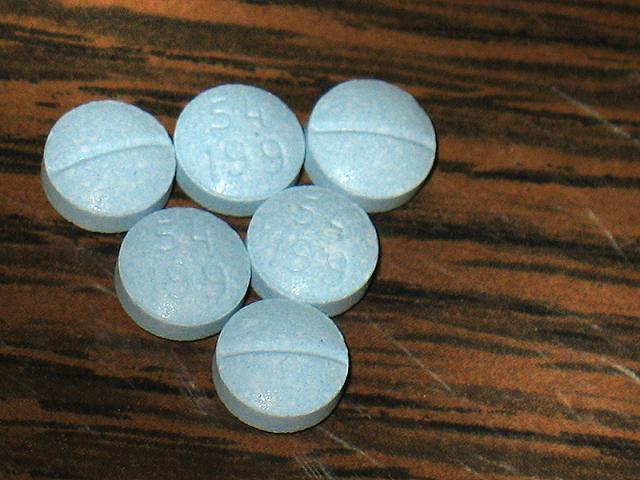
Roxicodone is a powerful pain medication that is prescribed to provide relief for moderate to severe pain. It contains the active ingredient, Oxycodone, which belongs to a class of drugs known as opioid analgesics. This article will delve into the uses, benefits, side effects, and warnings associated with Roxicodone.
Uses
Roxicodone is primarily prescribed to manage pain that cannot be effectively controlled by non-opioid pain relievers, such as acetaminophen or ibuprofen. It is commonly used in post-surgical cases or for individuals suffering from chronic pain conditions, including cancer-related pain.
Benefits
The main benefit of Roxicodone is its ability to alleviate moderate to severe pain quickly and effectively. It works by binding to opioid receptors in the brain and other parts of the body, thereby reducing the perception of pain. Roxicodone provides a significant improvement in the quality of life for individuals experiencing debilitating pain, allowing them to carry out daily activities and enjoy a better sense of well-being.
Side Effects
As with any medication, Roxicodone is associated with certain side effects. Common side effects include constipation, drowsiness, dizziness, nausea, vomiting, itching, and dry mouth. It is crucial to note that side effects may vary from person to person, and some individuals may experience none or only a few side effects, while others may experience more severe reactions.
More serious side effects of Roxicodone may include shallow breathing, extreme drowsiness, fainting, confusion, and seizures. If these symptoms occur, immediate medical attention should be sought. Additionally, prolonged use or misuse of Roxicodone can lead to dependency and addiction, which may require specialized treatment.
Warnings
Roxicodone comes with several important warnings that should be considered before use. It should not be taken by individuals who are allergic to Oxycodone or other opioids. Patients with respiratory problems, such as asthma or breathing difficulties, should exercise caution or seek an alternative medication. Roxicodone should not be combined with alcohol or other substances that depress the central nervous system, as it can result in severe respiratory depression.
Due to the potential for misuse, abuse, and addiction, Roxicodone should only be taken under the direct supervision and guidance of a healthcare professional. It is crucial to follow the prescribed dosage and not exceed the recommended amount or frequency of use. Suddenly stopping the medication may also lead to withdrawal symptoms, so it is important to gradually reduce the dosage under medical supervision if discontinuing Roxicodone.
In conclusion, Roxicodone is a potent pain medication used to manage moderate to severe pain. While it provides significant benefits in pain relief, it is crucial to understand the potential side effects, warnings, and the risk of addiction associated with its use. Always seek the guidance of a healthcare professional to ensure safe and appropriate use of Roxicodone.
Frequently Asked Questions
It is important to inform your healthcare provider about any other medications you are taking. Roxicodone may interact with certain drugs, such as sedatives, tranquilizers, or other opioid pain medications, leading to potentially dangerous side effects.
Roxicodone should be used with caution during pregnancy, as it may harm the unborn baby. It is generally not recommended for use while breastfeeding, as it can pass into breast milk and negatively affect the nursing infant. Consult with your healthcare provider for personalized advice.
Yes, prolonged use or misuse of Roxicodone can lead to physical and psychological dependence. It is essential to follow the prescribed dosage and consult with a healthcare professional if dependency becomes a concern.
If you miss a dose, take it as soon as you remember. However, if it is close to the time for your next scheduled dose, skip the missed dose and continue with your regular dosing schedule. Do not double the dose to make up for a missed one.
Roxicodone may cause drowsiness, dizziness, or impaired thinking. Therefore, driving or operating heavy machinery should be avoided until you know how your body reacts to the medication.






