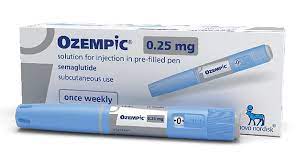
Semaglutide Subcutaneous is a medication that is used to treat type 2 diabetes. It belongs to a class of drugs called glucagon-like peptide-1 (GLP-1) receptor agonists. Semaglutide works by increasing insulin secretion, reducing glucagon secretion, and slowing down gastric emptying. This helps to lower blood sugar levels in individuals with diabetes.
Uses
Semaglutide Subcutaneous is primarily used to help control blood sugar levels in adults with type 2 diabetes. It is usually prescribed alongside a healthy diet and exercise program. This medication is not intended for the treatment of type 1 diabetes or diabetic ketoacidosis.
Benefits
The use of Semaglutide Subcutaneous offers several benefits to individuals with type 2 diabetes. Some of the key benefits include:
- Improved glycemic control: Semaglutide helps to regulate blood sugar levels, reducing the risk of hyperglycemia.
- Weight management: This medication can aid in weight loss or weight maintenance, as it helps to suppress appetite.
- Cardiovascular benefits: Studies have shown that Semaglutide may reduce the risk of major cardiovascular events in patients with type 2 diabetes.
- Convenience: Semaglutide is administered through a once-weekly subcutaneous injection, making it a convenient option for many patients.
Side Effects
While Semaglutide Subcutaneous is generally well tolerated, it may cause some side effects in certain individuals. Common side effects include:
- Nausea
- Vomiting
- Diarrhea
- Abdominal pain
- Decreased appetite
- Headache
If these side effects persist or worsen, it is important to consult a healthcare professional. In rare cases, Semaglutide may cause more serious side effects such as pancreatitis or severe allergic reactions. Seek immediate medical attention if you experience symptoms such as severe abdominal pain, persistent nausea or vomiting, or difficulty breathing.
Warnings
Before starting Semaglutide Subcutaneous, it is crucial to inform your doctor about any medical conditions or allergies you may have. Additionally, certain precautions should be taken:
- Pancreatitis: Semaglutide may increase the risk of pancreatitis. Notify your healthcare provider if you have a history of pancreatitis or if you develop persistent severe abdominal pain.
- Thyroid tumors: There have been rare reports of thyroid tumors in individuals taking Semaglutide. Regular monitoring of the thyroid is recommended.
- Gallbladder disease: Semaglutide may increase the risk of gallbladder problems. Report any symptoms of gallbladder disease, such as abdominal pain or jaundice, to your doctor.
- Kidney function: Individuals with impaired kidney function should use Semaglutide with caution. Dose adjustments may be necessary.
- Injection site reactions: Semaglutide is administered via subcutaneous injection. If you experience severe pain, swelling, or itching at the injection site, seek medical attention.
FAQs
Here are some frequently asked questions about Semaglutide Subcutaneous:
The effects of Semaglutide may vary among individuals. It typically starts working within a few days, but significant improvements in blood sugar control may take several weeks.
Yes, Semaglutide has been shown to help with weight loss. It can suppress appetite and lead to reduced caloric intake, resulting in weight loss or weight maintenance.
Yes, Semaglutide can be used in combination with other diabetes medications, such as metformin or insulin. However, it is important to consult your healthcare provider to determine the appropriate treatment plan for your specific needs.
Semaglutide should not be used during pregnancy. Consult your doctor if you are pregnant or planning to become pregnant to discuss alternative treatment options.
Insurance coverage for Semaglutide Subcutaneous may vary depending on your specific insurance plan. It is recommended to contact your insurance provider to determine coverage and potential out-of-pocket costs.






